
Almost every health problem today has an inflammatory component.
Heart disease is inflammation building up in your arteries.
Diabetes is inflammation interrupting insulin signaling.
Cancer is chronic inflammation damaging your cellular DNA.
And arthritis — did you know that anything ending in “itis” literally means inflammation in Latin? Ulcerative colitis, arthritis — it’s all inflammation.
So if you can reduce inflammation through your diet, you can heal your cells, reverse disease, and actually get physiologically younger in your biological age.
And this isn’t just anecdotal — inflammation is measurable. There are specific markers in your bloodstream, like C-reactive protein, that go up in response to certain foods. That’s how we know these aren’t just theories; the links are scientifically established.
Here are the most inflammatory food groups you need to get out of your diet as soon as possible — and I guarantee a couple of them will surprise you. Some are even found in health food stores, labeled organic and natural.
1. Sugary Foods & Drinks
One of the clearest links between food and inflammation — and it’s hiding everywhere.
Added sugar directly elevates inflammatory markers in your bloodstream.
Beverages with added sugar are inflammatory because they contain high fructose corn syrup.
And the tricky part is it’s not just in the obvious places. Check the label on something as innocent as vegetable broth — there’s added sugar in it. It’s snuck into almost every processed food on the shelf.
Here’s why it matters so much: when you spike your blood sugar, it throws off insulin. And when insulin gets thrown off, everything else follows:
- Cortisol gets disrupted
- Ghrelin in your gut gets thrown off
- Thyroid hormones shift
- Testosterone drops in men
- Progesterone and estrogen get imbalanced in women
On top of that, sugar feeds pathogenic bacteria, parasites, and viruses in your gut. You start getting candida overgrowth, leaky gut, and inflammation across the entire gut lining. One thing cascades into everything else.
One study found that people consuming just one to two sugary beverages per day had a 26% greater risk of developing type 2 diabetes. That includes processed fruit juice like store-bought orange juice, not just soda.

Simple swap
Tart cherry juice, pomegranate juice, green tea sweetened with a little raw organic honey, or anything made with monk fruit, allulose, or stevia. When you’re reading labels, look specifically for “added sugar” and high fructose corn syrup — and avoid them completely.
2. Candy and Conventional Sweets
Same problem as sugar — just in solid form.
Candy floods your body with refined sugar, causing the same rapid blood sugar swings and inflammatory response. It deserves its own category because it’s so easy to overlook — we don’t think of candy the same way we think of soda, but the effect on your body is nearly identical.

Simple swap
The good news is you don’t have to give up sweets entirely. Baked goodies made with honey, monk fruit, allulose, or a small amount of organic cane sugar. Same satisfaction, totally different effect on your body.
3: Fried Foods
The most inflammatory thing on most people’s plates.
High cooking temperatures create compounds called Advanced Glycation End products, or AGEs. And it’s an appropriate name, because these literally cause your cells and your body to age more quickly.
Have you ever seen someone who was probably in their 40s but looked like they were in their 60s? They tend to be smokers and people eating a lot of fast food — a lot of McDonald’s, a lot of Burger King.
Donuts from a place like Dunkin’ Donuts are especially bad because you’ve got the high heat plus sugar plus refined white flour all at once.

Simple swap
Make fries at home in an air fryer with coconut oil, extra virgin olive oil, beef tallow, or duck fat.
4: Trans Fats and Seed Oils
Chemically altered fats that directly drive inflammation in your body.
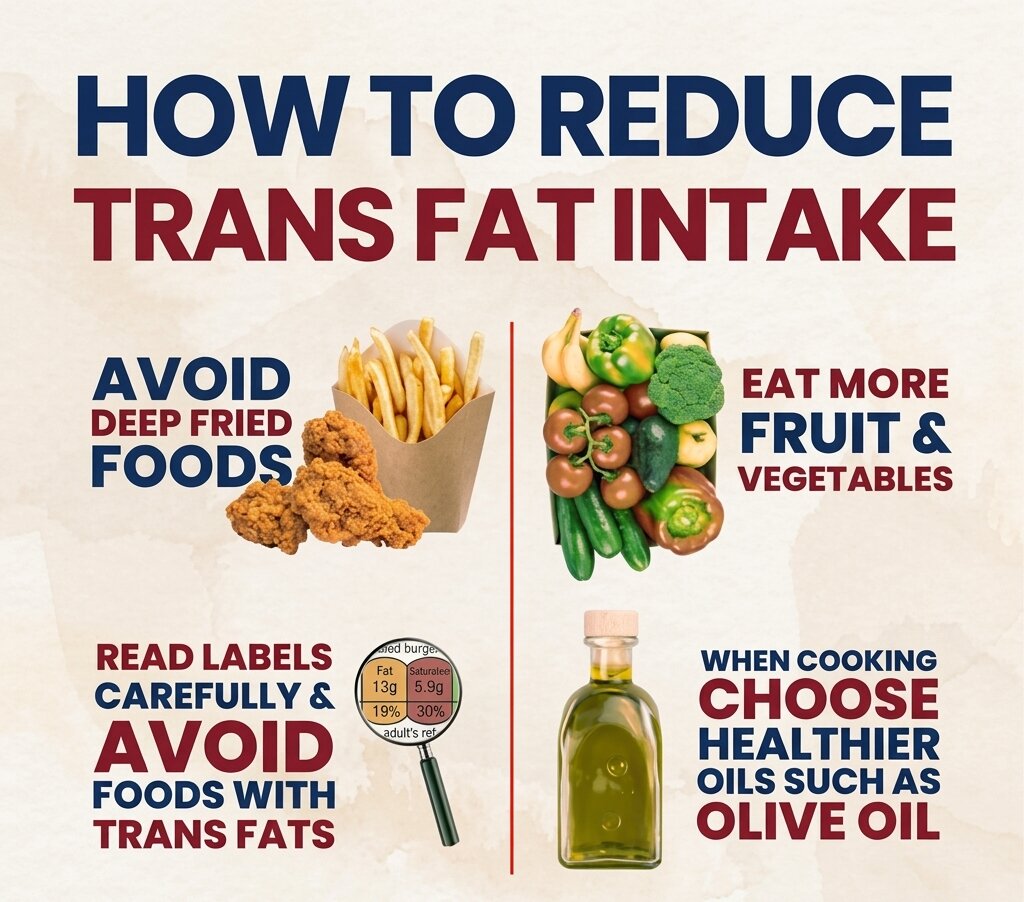
Trans fats are previously unsaturated fats that have been packed with hydrogen to make them more stable and solid. The result directly elevates C-reactive protein — one of the most important measurable markers of inflammation in your bloodstream.
They’re present in margarine, most fast foods, and many processed snacks.
Seed oils have a different but related problem: they’re extremely high in omega-6 fatty acids. We used to think omega-6s were just as beneficial as omega-3s — but it turns out too much omega-6 actually promotes inflammation.
There’s a balance that needs to be maintained, and most people are way off.
Both trans fats and excess seed oils are worth cutting back on. And when you are cooking with oil, you don’t need to drench everything — a little goes a long way.
Simple swap
Coconut oil, extra virgin olive oil, ghee, and beef tallow for cooking. Real butter instead of margarine or processed spreads.
5: Margarine and Processed Spreads
One of nutrition’s great wrong turns — and a lot of families paid the price.
So many families made that switch when the commercials started saying saturated fat was bad, butter was bad, coconut oil was bad. Everyone switched to vegetable oils and margarine.
Here’s the reality — margarine and processed spreads contain artificial trans fats that:
- Significantly elevate inflammation
- Have been directly linked to heart attacks and strokes
- Raise cholesterol and blood pressure
Real butter from quality sources is genuinely good for you. The science has caught up.

Simple swap
Go back to real butter. Add coconut oil, ghee, and beef tallow to your rotation. These are so much better for your body.
6: White Bread and Refined Carbohydrates
They’re not “refined” in a good way — all the good stuff has been stripped out.
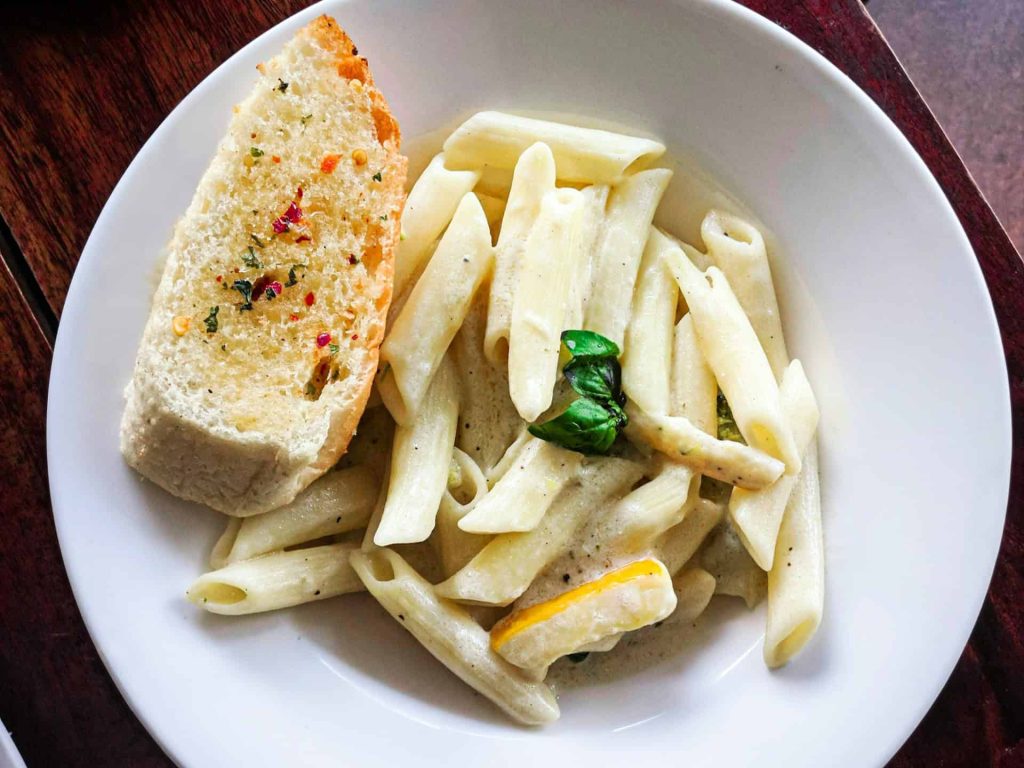
Refined carbs are white things. White pasta, white bread, white rice. The bran, the wheat germ, the fiber — all removed, leaving behind something with a very high glycemic index.
That means your blood sugar spikes fast after eating them. It’s almost like eating cake.
Most wheat products stack another problem on top of that is gluten.
And if you didn’t know, most non-organic grains are heavily sprayed with glyphosate and other pesticides. So you’ve got:
- Refined carbs breaking down into sugar and spiking blood sugar
- Gluten driving additional inflammation
- Glyphosate and pesticides adding a toxic load on top
If you buy whole wheat bread — and read the label, it’s basically white bleached flour with caramel coloring added to make it look brown. Even real whole wheat flour, if it’s not fermented into sourdough or sprouted, still causes issues.
Simple swap
Real organic sourdough made with whole grain or ancient grain flour. You can find it at good health food stores or make it at home.
7: Alcohol
A growing body of evidence says this one is hard to ignore.
Alcohol has been shown to elevate C-reactive protein, that same key marker of inflammation.
If you’re going through a period of inflammation — whether from an autoimmune condition, an injury, or a degenerative condition — this is probably one of the first things to pull back on.
It’s also worth noting: you wouldn’t want to be taking alcohol alongside most anti-inflammatory medications anyway, so cutting back during a flare-up makes sense on multiple levels.

Simple swap
Non-alcoholic beer has come a long way. Major brands like Heineken, Becks, and Budweiser all make non-alcoholic versions that actually taste like beer. Worth trying if you want something to sip without the inflammatory effect.
8: Processed Meats
These are on the WHO’s list of Level 1 carcinogens — the same list as asbestos and cigarettes.
Processed meats — bacon, conventional hot dogs, conventional sausages — are preserved with nitrates and loaded with additives.
A good rule of thumb: if it can sit around for a long time without going bad, it’s probably not good for you.
There’s also something called the Law of Bioaccumulation worth understanding here. Cows and pigs eat enormous amounts of grain sprayed with glyphosate, and they’re often given hormones to make them grow faster. When you eat that meat, you’re getting all of those chemicals concentrated.
Did you know 80% of antibiotics today are given to livestock? When you eat their tissues, you’re getting those antibiotics too — plus grain-fed omega-6 fats that drive inflammation.

Simple swap
Organic, grass-fed meat. It’s a genuinely different nutritional profile, and you’re not getting the chemical load.
9: Red Meat — Especially Charred
Different from processed meat, but still worth being mindful of.
Red meat and processed meats both contain Advanced Glycation End products (AGEs) — the same inflammatory compounds created by frying at high heat — which are directly linked to both inflammation and cancer. This is especially true when meat is charred or cooked at very high temperatures.
We know this will get some pushback from people following keto or carnivore diets — and that’s a fair conversation to have.
But in the context of inflammation specifically, red meat consumed regularly and especially when charred, does contribute to the inflammatory load in your body.

Simple swap
If you eat red meat, go organic and grass-fed, avoid charring it, and balance it with plenty of anti-inflammatory foods like omega-3s, fruits, and vegetables.
Warning Signs Your Body Is Inflamed
These symptoms can be subtle — but don’t overlook them:
| Symptom | What It Means |
|---|---|
| Joint pain or stiffness | Direct sign of inflammation |
| Bloating, gas, constipation | Inflammation in your gut |
| Constant fatigue | Your body can’t recover or clear inflammation |
| Acne or skin rashes | Topical inflammation from gut, liver, or lungs |
How to Reduce Inflammation Fast
Fix Your Diet First
The ideal anti-inflammatory diet is high in:
- Omega-3 fatty acids — wild-caught salmon, flax seeds, walnuts, chia seeds, hemp seeds
- Healthy fats — coconut oil, extra virgin olive oil, avocados, olives
- Quality protein — bone broth, wild-caught fish, grass-fed beef, organic chicken, pastured eggs
- Anti-inflammatory fruits — pineapple, kiwi, figs, pomegranates, berries
- Vegetables — across the board, highly anti-inflammatory
You can find articles like this one, 10 Foods to Fight Inflammation Naturally, on our site that you can check out to fight inflammation, and to find some great anti-inflammatory options to mix into your diet.
Address the Other Causes Too
Diet isn’t the only driver of inflammation. Don’t overlook these:
- Emotional stress raises cortisol → throws off insulin → drives inflammation and accelerates aging
- Poor sleep means your body can’t recover and clear inflammatory compounds
- Excessive exercise — marathon training, hours of CrossFit, long-distance triathlons — actually ages your body faster, not slower
Move Your Body the Right Way
Walking is tremendous for inflammation. The more you move, the more your body can cycle through and clear inflammatory compounds. Best low-inflammation options:
- Walking
- Swimming
- Cycling
- Mini rebounders
Top Supplements for Inflammation
Your two biggest bang-for-your-buck options:
- Omega-3 fatty acids — fish oil or a quality supplement
- Turmeric — along with related herbs like ginger and galangal; also rosemary, cat’s claw, and skullcap if you want to go deeper
Also worth adding: collagen or bone broth, which provides glucosamine, chondroitin, and hyaluronic acid — all anti-inflammatory.
And stay hydrated. Water plus electrolytes — especially potassium — helps flush toxins from your cells.
The Bottom Line
Almost every modern health issue has inflammation at its core.
The good news?
You don’t need extreme changes.
Just start with simple swaps:
Replace processed foods, choose natural ingredients, and support your body daily.
Over time, these small steps can:
Reduce inflammation, improve energy, slow aging, and transform your health.
An Important Note Before You Panic
It doesn’t mean you should never eat any of the foods mentioned above.
If you have gout, you already know firsthand how directly what you eat can trigger inflammation in your joints.
The same principle applies more broadly — but not every food on this list will affect every person the same way.
Think of yourself as a detective. If you’re dealing with an inflammatory condition — arthritis, an injury, an autoimmune issue — and you’re trying to figure out what’s making it worse, this list is a good place to start investigating. Maybe one or two are your personal triggers. Start there.
Everything in moderation. But if you’re in a flare-up, these are the first things to pull back on.
This post is based on insights shared by Dr. Paul Zalzal and Dr. Brad Weening of Talking With Docs, and Dr. Josh Axe who regularly review medical research and break down complex health topics into practical, evidence-based advice for everyday life.
Disclaimer:
This content is for informational purposes only and is not medical advice. Do not use it for medical emergencies. Always consult your physician or a qualified healthcare provider regarding any medical concerns or before making changes to your health routine.