
Your house is killing you. Sounds dramatic, right? But it’s not really dramatic at all. It’s just reality. There are items sitting in your home right now that you use without thinking twice about them, and those items are working against your health in ways you probably don’t even realize.
It’s not your fault that you don’t know. Nobody tells you this stuff. Companies have no incentive to advertise that their products might be slowly harming you. So you go about your day, using the same things everyone else uses, completely unaware.
But that changes today. I’m going to walk you through 10 of the most common household items that are secretly problematic. Some of these you’ve probably heard concerns about before. Others might completely blindside you.
The goal isn’t to make you paranoid about everything in your house. It’s to give you the information you need to make better choices, starting today, starting small, and building from there.
1. Dryer Sheets
When you first hear that dryer sheets are bad for you, it feels almost absurd. They’re just laundry supplies. They make your clothes soft and smell great. What could possibly be wrong with that?
Well, turns out there’s quite a bit. Dryer sheets are loaded with volatile organic compounds (VOCs), chemicals like formaldehyde and benzene-releasing substances.
Every time you use them, you’re releasing these compounds into your home. They get into the air you’re breathing. They settle on your clothes and absorb into your skin. And the research connects these compounds to cancer.
The silver lining is that the fix is genuinely simple and honestly cheaper than buying dryer sheets all the time. Wool dryer balls do essentially the same job. They bounce around in your dryer, creating friction that softens clothes and reduces static.
If you want fragrance, just add a couple drops of essential oil to the balls before you toss them in. Your clothes come out soft and fresh, and you’re not circulating carcinogens through your home.

2. Non-Stick Frying Pans
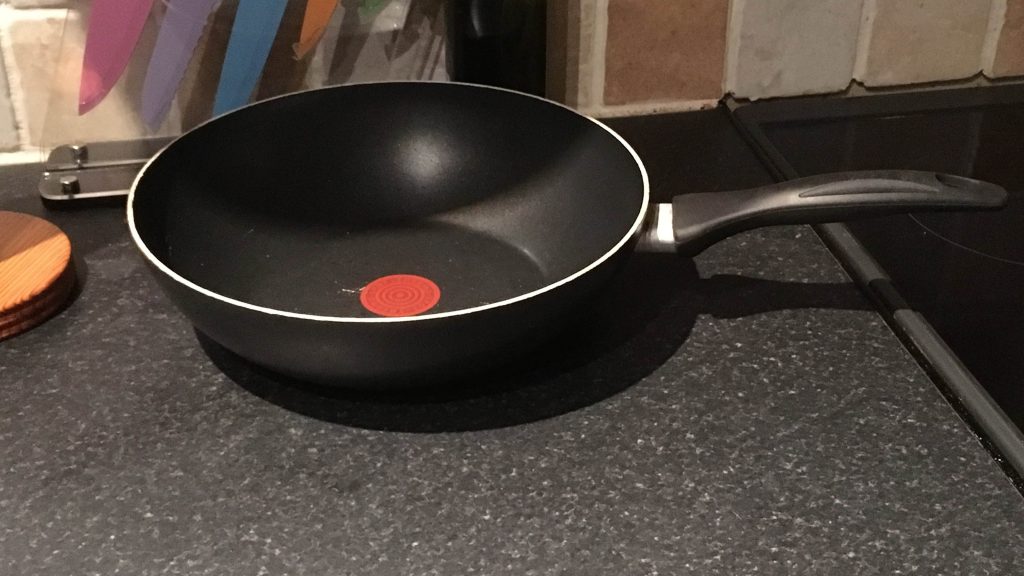
Non-stick pans are one of those inventions that feels like an unambiguous win. No sticking, easy cleanup, even cooking. It’s hard to imagine cooking without them once you’ve gotten used to them. But the convenience comes with a real cost.
That non-stick coating doesn’t stay on the pan indefinitely. It deteriorates over time. Particles of the coating flake off and end up in your food. You’re literally eating the pan.
And what is that coating made of? PFAS — per- and polyfluoroalkyl substances. These are forver chemicals that your body cannot break down. They accumulate in your system. And they’re linked to cancer and a whole range of other health issues.
If you’re going to keep using non-stick pans, at least be strategic about it.
Check them regularly for chips and peeling. The moment you see damage, throw them away.
Don’t use metal utensils on them because metal accelerates the deterioration. Heat them slowly and on lower temperatures because they heat up incredibly fast and release more chemicals at higher heat.
Some people replace their non-stick pans every year or two just because they’re so concerned about the coating integrity. If that sounds extreme, consider switching to stainless steel or cast iron instead. They require a bit more effort, but you’re not cooking on a chemical coating.
3. Air Fresheners & Plug-Ins
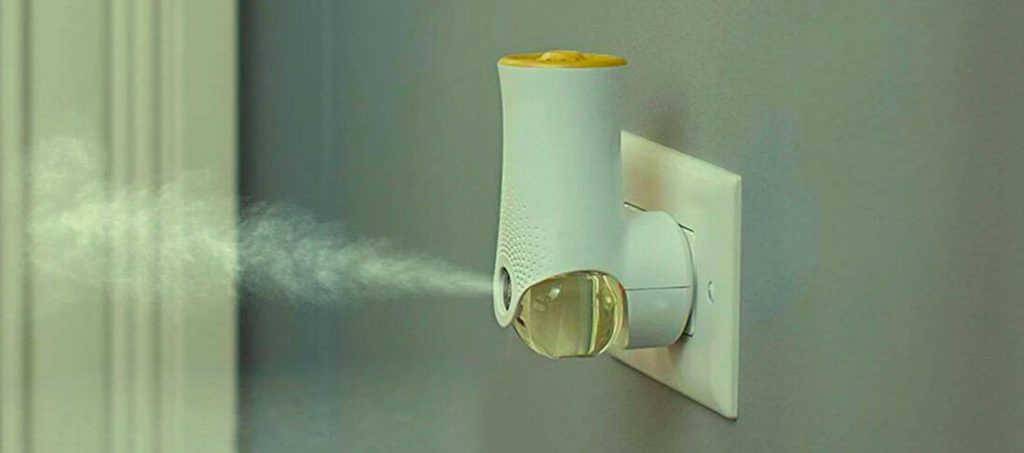
Your home has an odor. Maybe it’s your dog. Maybe it’s your kids’ gym clothes. Maybe it’s just that bathroom smell. Instead of addressing the source, you plug in an air freshener or spray something that masks the smell with a different scent.
And millions of people do this every single day without any thought to what they’re actually spraying into the air.
Air fresheners pump phthalates directly into your home. These chemicals are linked to endocrine disruption, which is serious. Your endocrine system controls your hormones, your metabolism, your mood, your cognitive function. It’s kind of important. When you disrupt it, you’re affecting a lot of critical body processes.
The solution is almost laughably simple: open a window. Let the smell fade naturally. Or use baking soda to actually absorb odors instead of just masking them. If you really want a scent in your home, use a diffuser with water and essential oils. You get fragrance without the chemical disruption.
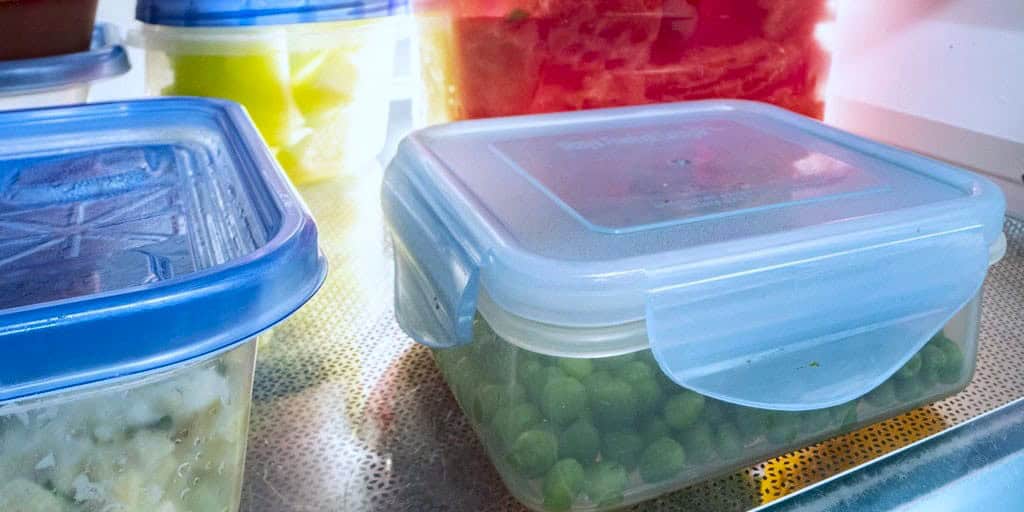
4. Plastic Food Containers
You probably use plastic food containers constantly. Storing leftovers, packing lunches, maybe even reheating food in them. And the whole time, plastic is leaching into your food.
Leave food in a plastic container for a while and the plastic starts breaking down, releasing chemicals into whatever’s stored inside. Heat accelerates this process dramatically.
Microwave something in a plastic container and you’re heating the plastic to a point where it releases significantly more chemicals. Even containers labeled “microwave safe” do this. That label just means it won’t warp, it doesn’t mean it’s safe.
These plastics contain “forever chemicals” and BPA-like compounds. Companies know BPA is a problem, so they remove it and replace it with something similar that probably has similar effects. So you end up with BPA-free plastic that still disrupts your hormones.
Switch to glass containers for storage. Use glass or ceramic to reheat food. Yes, glass is more expensive upfront, but it lasts forever and you’re not constantly absorbing plastic into your system.
If you do use plastic, at least keep it away from heat.
5. Cleaning Sprays
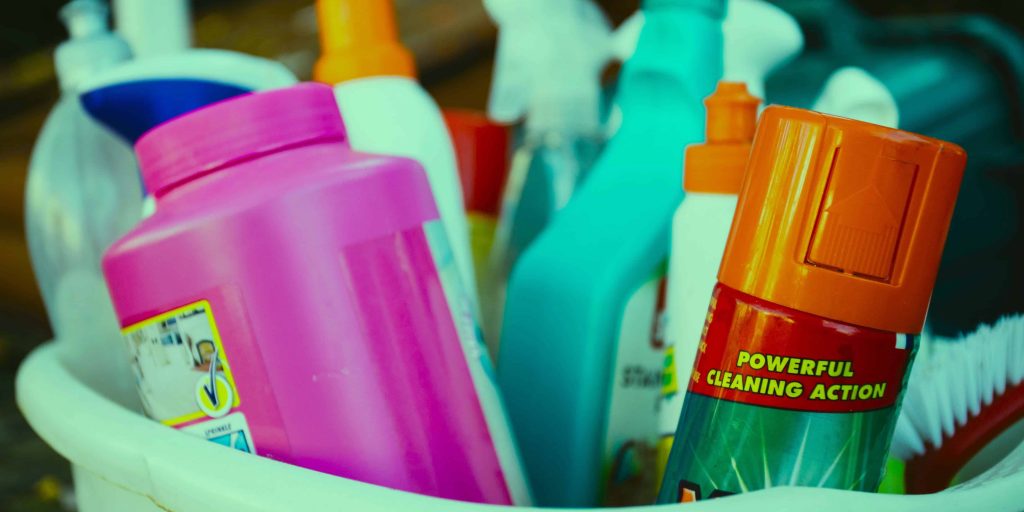
Think about the moment you spray a commercial cleaner. That harsh chemical smell that hits you? That’s not a sign it’s working. That’s a sign you’re breathing something toxic. Your body is telling you something is wrong.
Commercial cleaning products contain ammonia, bleach, formaldehyde, and other compounds designed to kill bacteria, viruses, fungi, and parasites.
The problem is that what kills those microorganisms doesn’t always stop at just killing microorganisms. These chemicals are associated with respiratory issues, endocrine disruption, and other health problems.
If you absolutely have to use these products, do it in a well-ventilated space and consider wearing gloves and a mask.
But honestly, there are so many alternatives that work just as well. Vinegar and water. Baking soda. Castile soap. These work because they mechanically remove dirt and bacteria. They don’t rely on toxic fumes.
Basic rule: if you can’t pronounce it or don’t know what it is, you probably shouldn’t be spraying it into the air you breathe.
6. Scented Candles
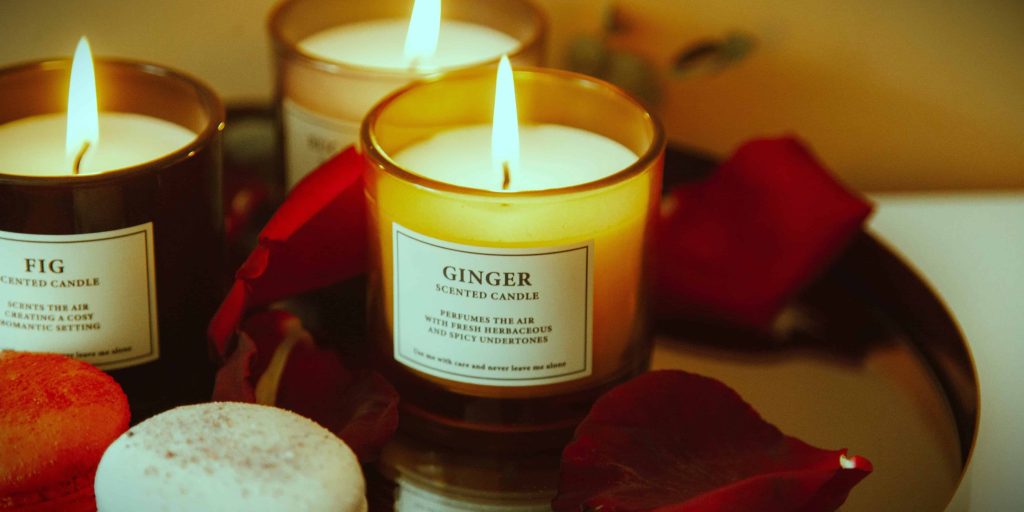
There are entire stores in malls dedicated to scented candles. These places smell incredible from 50 feet away. People love them. Candles are cozy. But that powerful scent that travels so far? That’s also traveling into your lungs, and it comes with a cost.
When you burn a candle, you’re heating fragrance compounds to high temperatures and releasing them into the air.
But it’s not just the fragrance. The wax itself, especially highly refined, chemically treated paraffin wax releases compounds when heated.
So you’re breathing in both the scent chemicals and the wax breakdown products.
Since candles are specifically designed to fill a room with scent, so you’re getting a significant dose of this every time you light one.
The compounds in synthetic fragrances are linked to endocrine disruption and other health issues. Some of them might even be linked to cancer. It adds up over time, especially if you burn candles regularly.
If you like having candles around, switch to beeswax or soy candles, preferably with natural scents. They’re more expensive, but they don’t off-gas the same problematic compounds. Or just use unscented candles if you like the ambiance. The light is nice without the health risk.
7. Microwave Popcorn
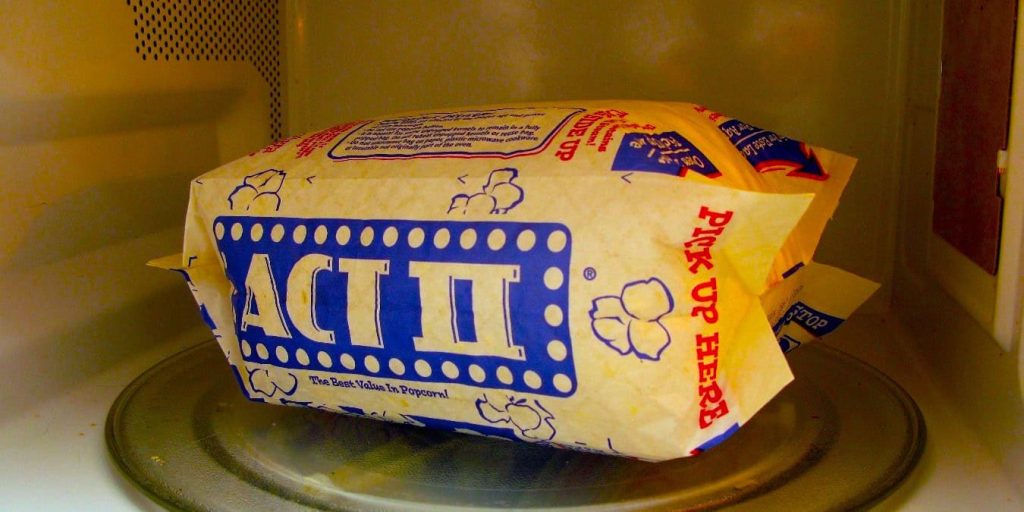
Convenience is the appeal here, right? Throw a bag in the microwave, wait a few minutes, grab your snack. It’s convenient and cheap.
But when you put corn kernels into a paper bag and line it with plastic and some butterlike substance topping, heat it up to a very high temperature, so hot that those kernels will pop inside of a bag. The forever chemicals from the plastic end up in your popcorn and then in your body.
If you talk to respiratory specialists and immunologists about what they personally avoid eating, and microwave popcorn comes up constantly. These are doctors who understand the science and have decided it’s not worth it.
It’s convenient, sure. It’s usually affordable. But it comes with a cost to your health.
Make popcorn on the stove instead. Use coconut oil, add some salt, maybe some nutritional yeast for a cheesy flavor. It takes maybe five minutes. Or get an air popper. You avoid the chemicals and you can control exactly what goes on your popcorn.
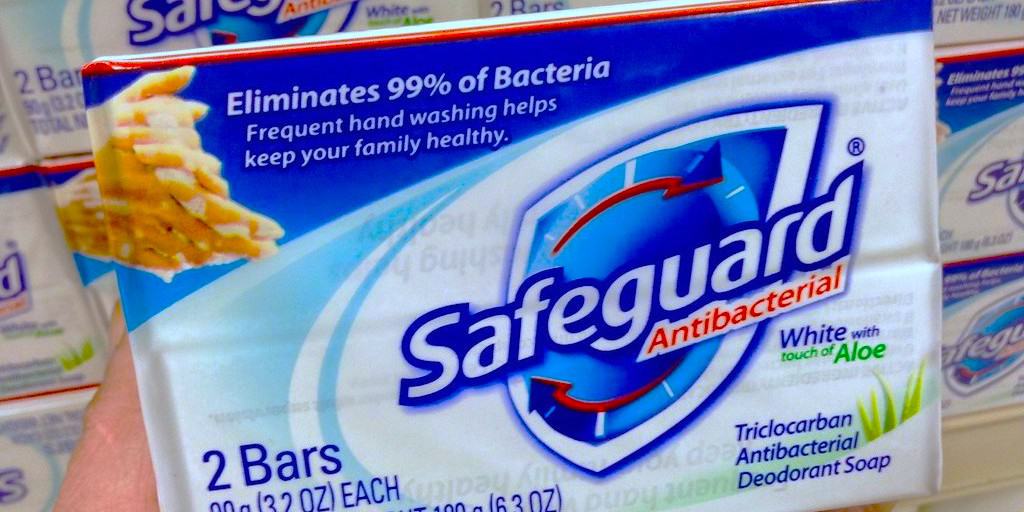
8. Antibacterial Soap
“Antibacterial” sounds better, but it’s mostly marketing. Antibacterial soap feels like the smarter choice. It’s positioned as better, more effective, cleaner than regular soap. So you pay a bit more and feel good about making the health-conscious decision.
Except antibacterial soaps don’t actually work better than regular soap. And they come with real downsides. They contain triclosan, which is an endocrine disruptor.
So you’re using something to make yourself cleaner while simultaneously disrupting your hormone system. That’s a bad trade-off.
Then there’s the resistance problem. When you use antibacterial chemicals, you’re selecting for bacteria that can survive those chemicals. It’s the same principle as antibiotic resistance or herbicide resistance.
Any bacteria that survives gets to reproduce, passing on its resistance. Over time you end up with bacterial populations that are resistant to these chemicals. This is actually a public health concern.
Regular soap works completely differently. It doesn’t kill bacteria. It surrounds them and washes them away mechanically. Bacteria can’t become resistant to that because the soap isn’t targeting a vulnerability. It’s just removing bacteria from your skin.
So use regular bar soap. Wash your hands for the recommended time with friction under running water. That’s actually effective, it’s cheaper, and it’s not disrupting your endocrine system.
9. Shower Curtain Liners
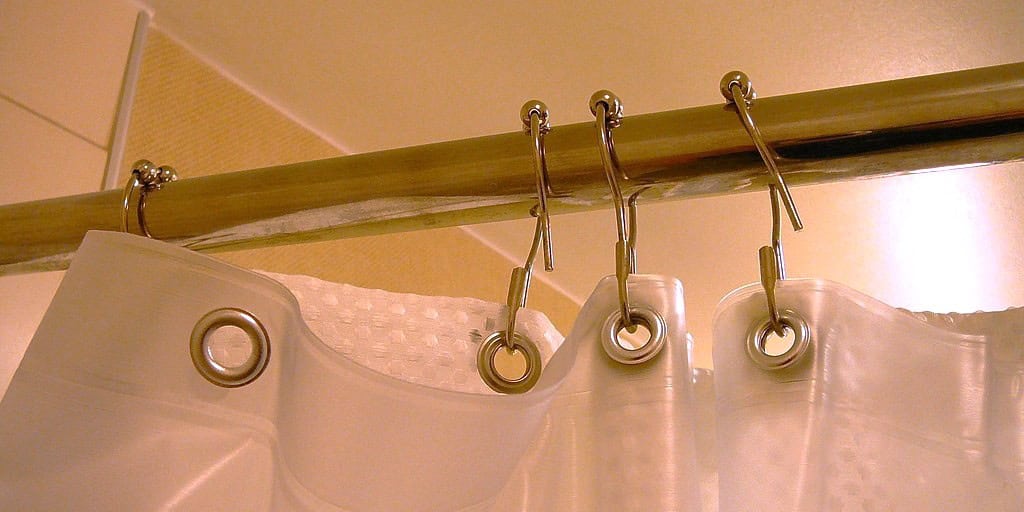
You know that smell when you first open a new plastic shower curtain? That chemical odor? That’s off-gassing. The plastic is releasing volatile organic compounds directly into your bathroom air, and you’re breathing them in while you shower.
Plastic shower curtains contain phthalates and other chemicals linked to endocrine disruption. Every time you use that curtain, you’re getting exposed to these compounds. The smell might fade, but the off-gassing continues.
The ideal solution is glass doors, but that’s not always practical or affordable. If you’re stuck with plastic, let it air out in an open space, ideally outside, for a while before you hang it up. This reduces off-gassing when you first start using it.
Replace it regularly instead of keeping it up for years. And just be aware of what you’re being exposed to.
It’s a trade-off between convenience and health, and you should at least know that’s what you’re making.
10. Herbicides & Pesticides
If a product has a skull and crossbones on the label… believe it. That’s not there for decoration. These products are toxic.
Many lawn and garden chemicals — products like glyphosate and 2,4-D are directly linked to cancer in both humans and pets.
And yet people spray them all over their lawns to kill weeds. The fact that you need special permission to buy them should tell you something about how dangerous they are.
If you want to kill weeds, there are alternatives. You can pick them by hand. It’s tedious but it works. You can use iron-based sprays, though the long-term safety data on those is still limited. You can make a mixture of detergent, vinegar, and borax, which is surprisingly effective.
There are also mechanical weeding tools that remove weeds without chemicals.
Or here’s another option: just let your lawn have some weeds. Your grass doesn’t need to be perfect. You don’t need a monoculture lawn with nothing else growing. Some weeds are actually beneficial. And at minimum, you avoid exposing yourself and your family to carcinogenic chemicals.
Putting it together
You’re probably feeling overwhelmed. You’re looking around your house thinking everything is trying to kill you.
And yeah, the situation is kind of crazy when you lay it all out. But you don’t need to change everything overnight. That’s not realistic and it’ll just make you stressed.
Start small. Pick one or two things. Maybe swap your dryer sheets first because it’s easy and cheap. Replace a non-stick pan when you need to replace one anyway. Start using vinegar to clean instead of commercial sprays. Make popcorn on the stove. These small changes add up over time.
The bigger point is awareness. You now know these things aren’t as innocent as the marketing makes them seem.
You can make intentional choices. You can protect yourself and your family. You don’t need to be perfect about it. Just being better is enough.
You’re in charge of your own health. The choices you make about what comes into your home matter. Start somewhere. Start anywhere. But start.
Did you know some of the stuff we eat every day is actually linked to cancer? This post breaks it down.