
Most people think cancer is all about bad genes and bad luck. And yes, okay, genetics matter and luck matters. But the science tells a more empowering story: up to 90% of cancers are preventable.
Now, look, that doesn’t mean you can control everything. And it doesn’t ever mean that cancer is someone’s fault. But it does mean you have far more control over your long-term cancer risk than most people are ever told.
You can’t change the genes you were born with. But you can influence how those genes behave. And one of the most powerful ways to do that is through how you eat, every single day.
Because cancer is not just a genetic disease. It’s a metabolic disease, and it’s deeply connected to your immune system.
Understanding the environment cancer cells need
Cancer doesn’t just grow in isolation. It grows in an environment. Certain foods and dietary patterns can quietly create an internal environment where cancer cells are more likely to thrive:
- High blood sugar
- Constant growth signals like elevated insulin and IGF-1
- Chronic inflammation
- Weakened immune surveillance
Now, none of this means that any specific food causes cancer in a direct way. But food absolutely does influence whether cancer cells are supported or suppressed.
And once you understand that, you can start thinking about food not as something moral or emotional, but as information.
Let’s talk about cancer biology for a moment:
Cancer begins when a normal cell becomes abnormal. Mutations happen in the body all the time, and most of the time your immune system catches those abnormal cells and clears them. That’s actually what your body is designed to do.
The problem is not the mutation itself. The problem is an environment that allows abnormal cells to survive and grow.
Cancer cells need fuel. They rely heavily on glucose. They respond strongly to growth signals like insulin and IGF-1. They benefit from inflammation and a weakened immune system. They even stimulate the formation of new blood vessels (angiogenesis) to supply themselves with oxygen and nutrients.
And when these conditions are persistent and continuous, that’s when cancer takes advantage.
Cancer causing foods
Unfortunately, many of the foods that create the environment cancer loves are incredibly common in our society.
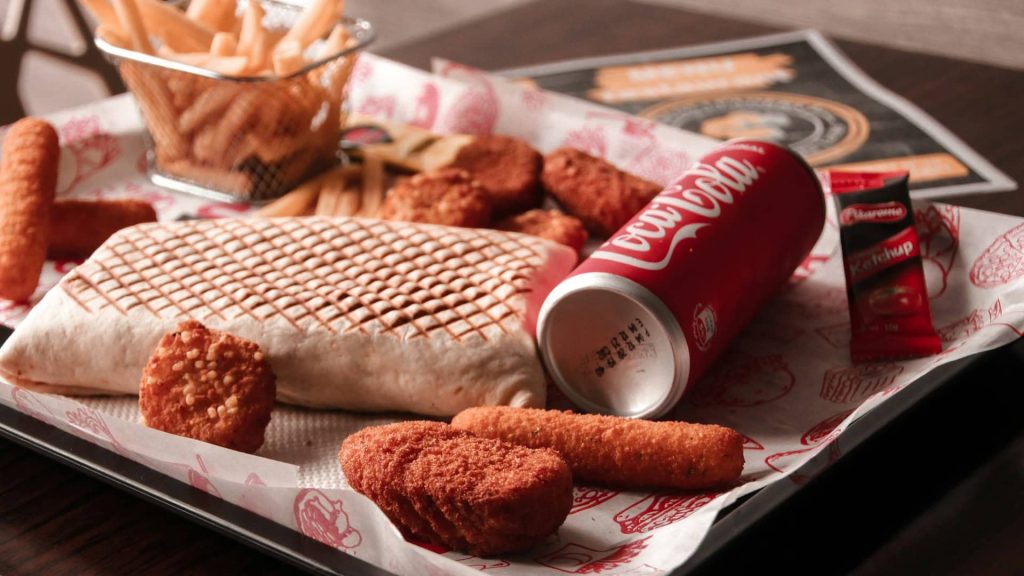
1. Processed foods, especially high-salt ones
One of the biggest contributors are processed foods, especially foods that are really high in salt. We’re talking about foods that:
- Come in packaging
- Have a long list of ingredients
- Are designed for a long shelf life
- Are convenient and very tasty
These foods are typically high in sodium, low in fiber, and often stripped of many of the protective compounds that whole foods provide.
Now, excess sodium doesn’t just impact your blood pressure. High sodium intake has been linked to:
- Increased inflammation
- Changes in your gut microbiome
- Damage to the lining of your stomach over time
And that chronic irritation and inflammation is going to increase your risk of cancer, particularly cancers of the digestive tract.
On top of that, highly processed foods crowd out whole foods.
When your diet is dominated by packaged foods, you almost always eat fewer vegetables, lean meats, and fruits. That means you’re missing out on the fiber and micronutrients that actually protect you.
So processed foods don’t just add harmful exposure, they reduce protective exposure too.
2. Sugar-sweetened drinks
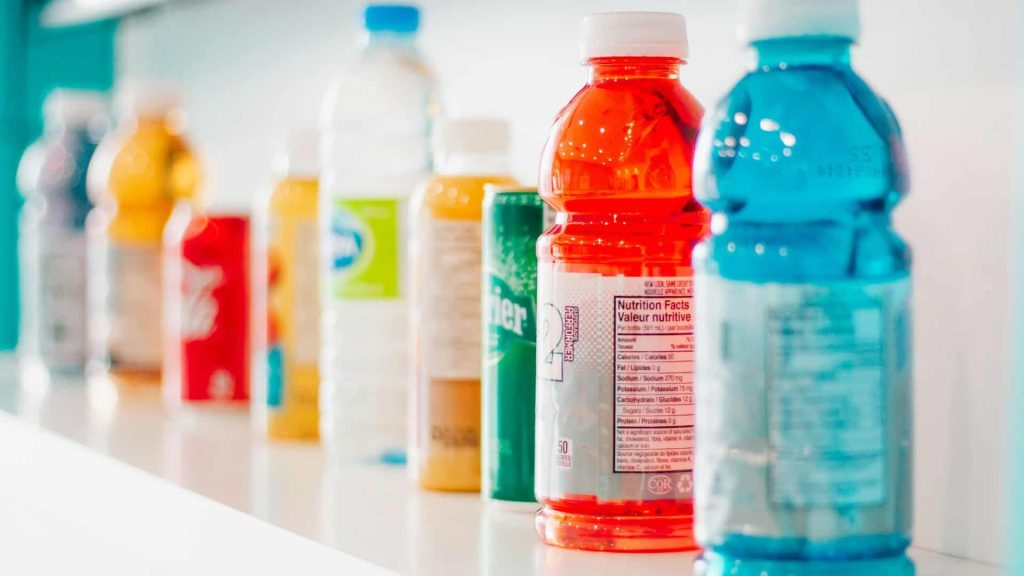
Another major contributor is sugar-sweetened drinks. Liquid sugar is one of the fastest ways to spike your blood sugar and insulin.
And unlike whole foods, sugary drinks don’t leave you feeling full, so you can consume a large amount very quickly before your body ever tells you to hit the brakes.
Here’s why that matters: cancer cells are metabolically different from healthy cells.
Healthy cells are efficient. They use oxygen and generate energy in a balanced way. Many cancer cells behave like inefficient engines. They rely heavily on glucose and respond strongly to insulin and IGF-1, both of which rise sharply after consuming sugary beverages.
Sugary drinks actually create the perfect storm. They deliver fuel quickly and amplify that signal. And over time, that repeated blood sugar spike creates chronic inflammation that further weakens your immune system.
This is why sugary drinks are consistently associated with a higher risk of cancer, especially when consumed regularly over months or years.
You can read more about what happens when you quit sugar here.
3. Charred foods
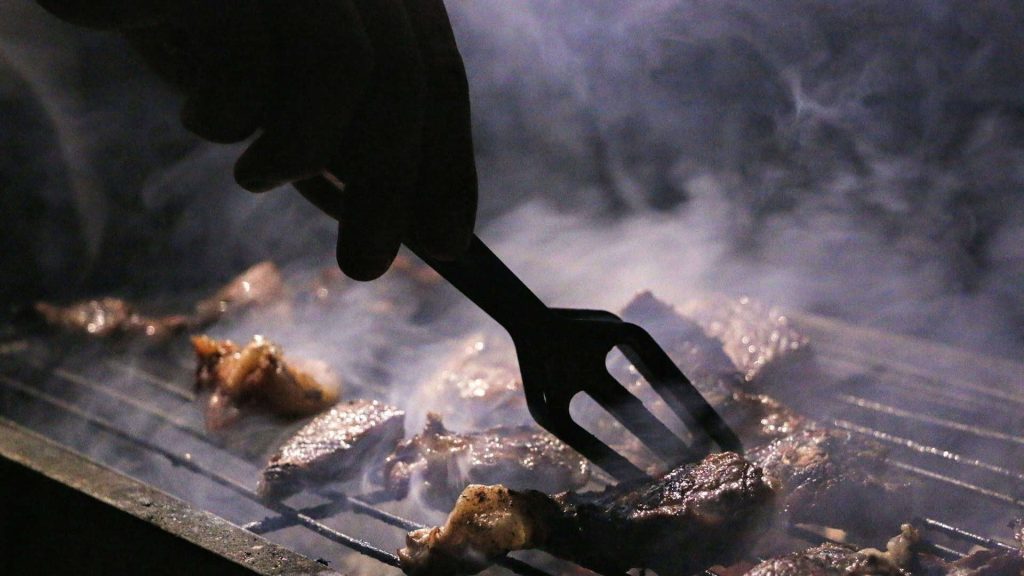
Another exposure that doesn’t get nearly enough attention is charred foods.
When food is cooked at very high temperatures — charring, grilling, pan frying — chemical compounds form that actually damage DNA and promote cancer growth.
Now, this doesn’t mean you can never barbecue or grill again. But frequent consumption of heavily charred foods is going to increase your cancer risk, and that exposure does add up over time.
4. Alcohol
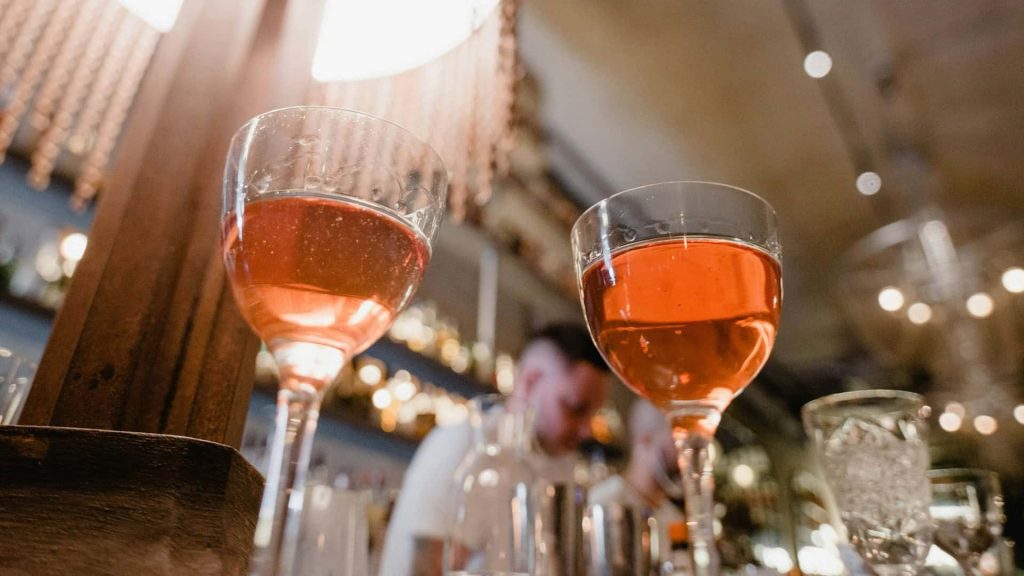
When it comes to alcohol, the science is very clear and consistent here.
Alcohol is classified as a Group 1 carcinogen. It increases the risk of 11 different types of cancer, including:
- Breast cancer
- Colon cancer
- Liver cancer
- Throat and mouth cancer
Here’s what alcohol actually does inside your body:
- Gets metabolized into a compound that is directly toxic to DNA
- Interferes with DNA repair
- Depletes key nutrients
- Weakens immune function
- Increases inflammation
- Acts as a solvent, making it easier for carcinogens to enter your tissues
From large studies, we consistently see that the more alchol you consume, the higher your risk.
Bottom line
What I want you to take from all of this isn’t fear. It’s awareness.
Food sends signals.
Highly processed foods, sugary drinks, heavily charred foods, and alcohol tend to send signals that promote inflammation, growth, and metabolic stress. When those signals are repeated daily, they shape your internal environment.
And cancer risk isn’t determined by one meal. Or one drink. Or one weekend barbecue.
It’s shaped by patterns.
You don’t need to be perfect. But you do need to be intentional.
You might also be surprised to know common household items that’re bad for health and can increase cancer risk.
Once you understand how certain foods and products can support cancer growth, the next step is learning how to build meals and daily habits that support immune strength, metabolic balance, and long-term protection.
This post is based on insights shared by Dr. Amy Morris who’s a Stage 3 cancer survivor and clinician with over 15 years of experience in cancer care.