
Most people think of stress as something you just push through. But chronically high cortisol is doing real damage in the background, to your hormones, your gut, your sleep, and your waistline.
The good news is, some foods can actually support your body in lowering stress hormones like cortisol and help you feel calmer from within.
Here’s exactly what to eat to bring your cortisol levels down naturally.
1. Dark Chocolate
Dark chocolate contains polyphenols and flavonols that can reduce cortisol levels by lowering inflammation, improving blood flow, and boosting mood-enhancing endorphins and serotonin.
There was study published in 2019 that investigated the effects of polyphenol-rich dark chocolate on salivary cortisol levels and mood in adults. They had 25 participants, who consumed 25 grams of dark chocolate a day.
They did either high polyphenol dark chocolate (500mg of flavonols) or a control dark chocolate with negligible flavonoids, for 4 weeks.
The results showed that the high polyphenol dark chocolate significantly reduced total daily cortisol, morning cortisol, and the cortisol to cortisone ratio.

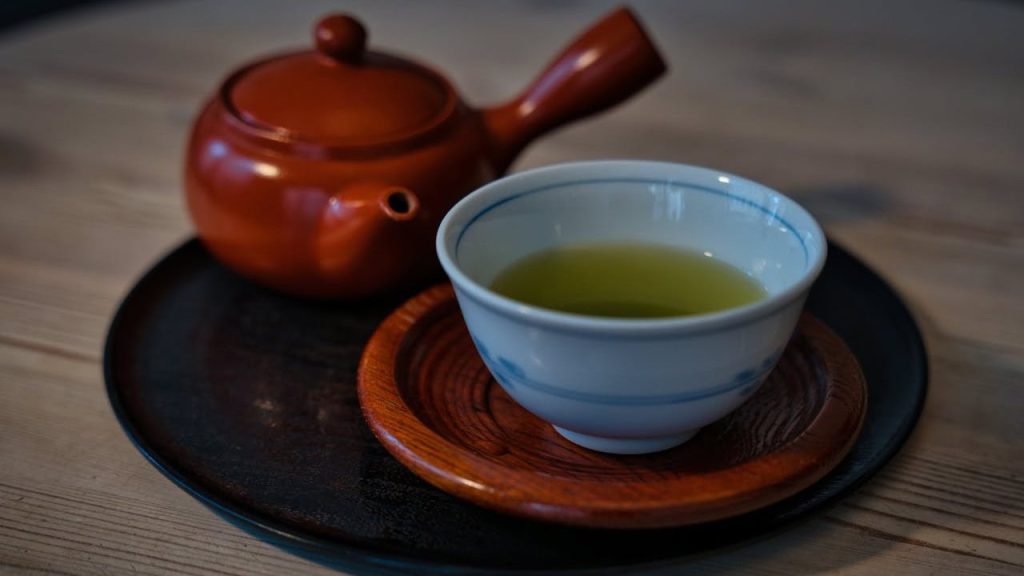
2. Green Tea
Green tea is rich in something called L-theanine, an amino acid that increases GABA, which is the calming neurotransmitter in your brain.
It directly lowers cortisol levels and promotes relaxation without feeling tired.
Green tea also has EGCG that might help lower cortisol further, and we know it can improve insulin sensitivity.
3. Berries
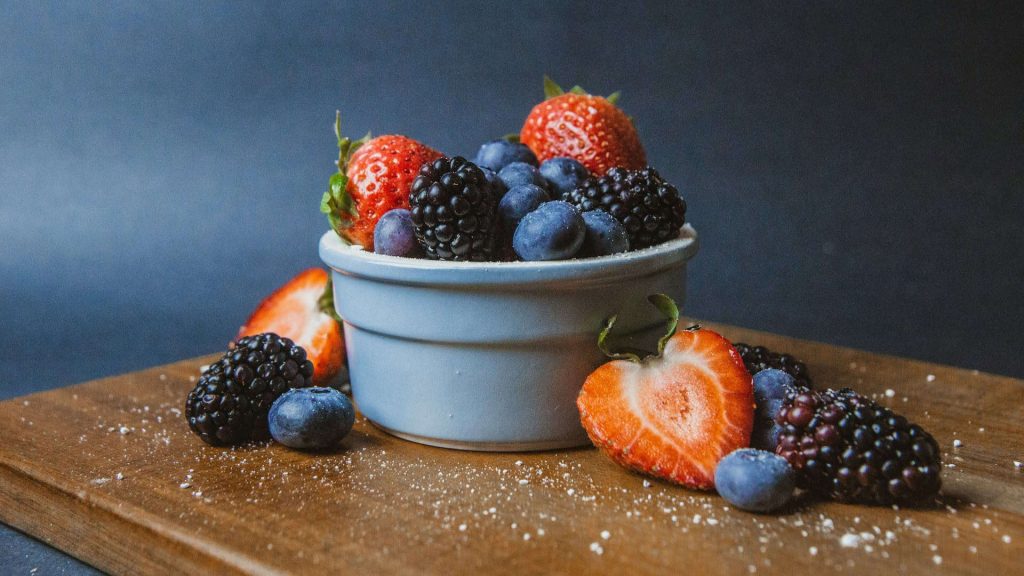
Berries are high in Vitamin C, which is super important for your adrenal glands. It is the number one vitamin used by your adrenal gland, so very, very important.
It can lower cortisol, and of course you also have great antioxidants in your berries as well.
Blueberries, blackberries, raspberries, do a variety, but try to get in a cup every day. I know, I know, it’s a tough one, but see what you can do.
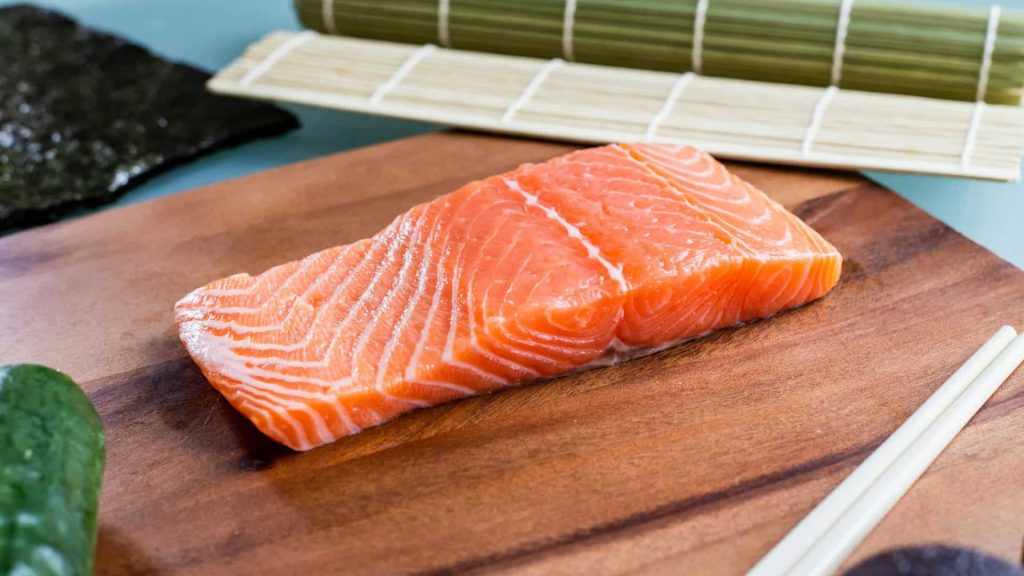
4. Fatty Fish
Omega-3 fatty acids in fatty fish directly lower cortisol levels because they reduce inflammation, which then promotes a calmer state.
One study showed that omega-3 fatty acids prevented the adrenal activation caused by mental stress and reduced the rise in cortisol and other stress-related biomarkers after a stress-inducing task.
Ideally you’re eating fish a couple of times a week. But you’re still probably going to want to supplement with omegas as well.
You can figure out how much you need by doing an omega-3 index test, which will tell you beyond your fish intake how much more you need.
Worth knowing: Vitamin D3 — found in fatty fish like wild-caught salmon is also a powerful cortisol regulator. Vitamin D is actually more like a hormone than a vitamin, and it has very similar functions to cortisol.
When cortisol goes up, vitamin D tends to get depleted, so people who are chronically stressed usually have low vitamin D.
Getting enough vitamin D helps modulate cortisol and can also support sleep and inflammation, you can get it from fatty fish, or simply from spending time in the sun.
5. Avocados
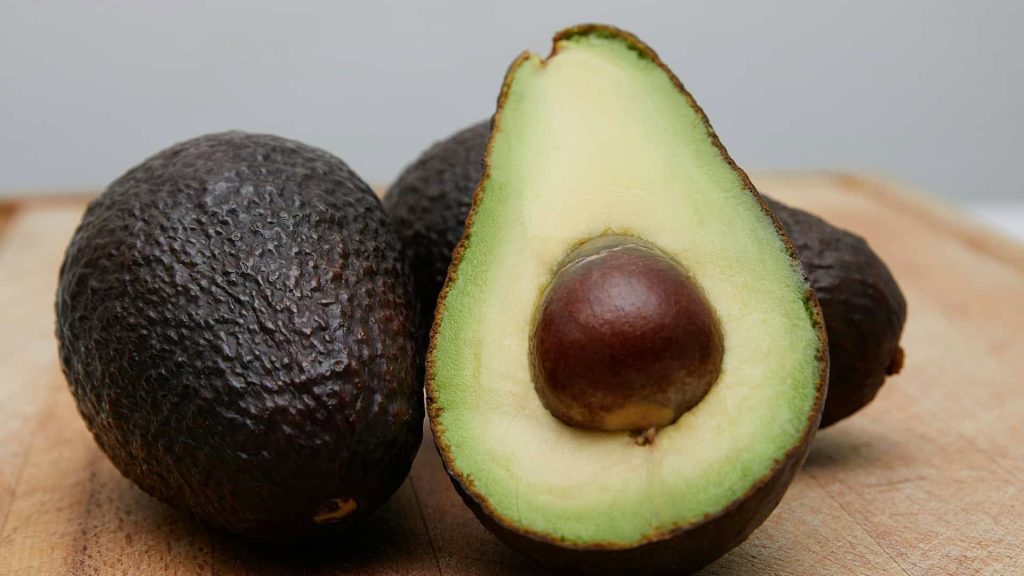
Avocados have so much goodness in them. Not only do they have healthy fats and great fiber (you often probably don’t think of avocados for fiber, but they’ve got an amazing amount), they also have magnesium, potassium, and B vitamins.
All those help manage stress and lower cortisol by supporting overall adrenal function, especially magnesium, the calming mineral that calms the nervous system and reduces the stress response. B vitamins support brain function and energy levels, which of course helps mitigate the effects of stress.
Avocados are easy to throw into a salad. You can also freeze them in little chunks to throw into smoothies.
6. Nuts & Seeds
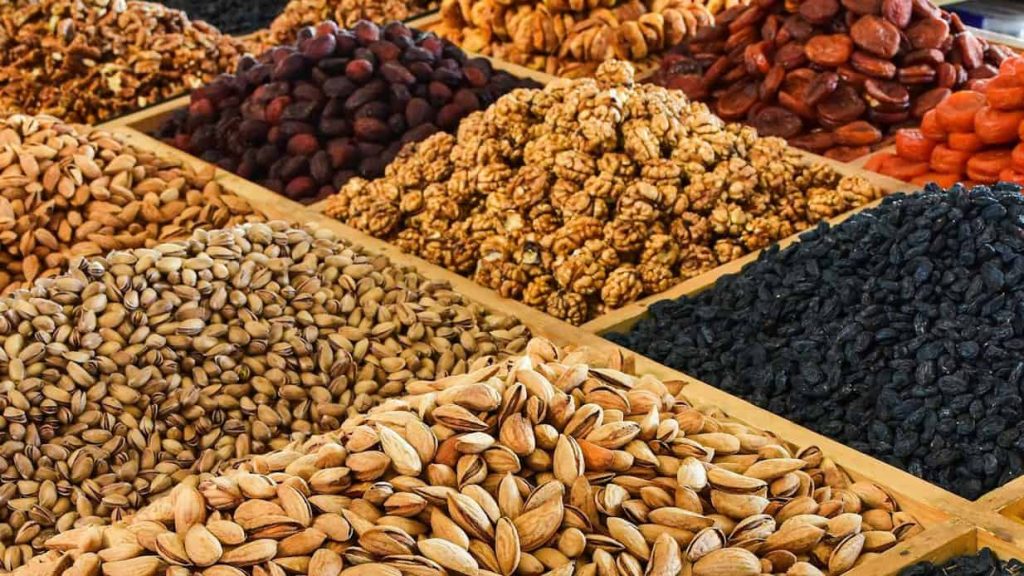
Nuts and seeds can help lower cortisol because they’re rich in magnesium, zinc, omega-3s, and B vitamins.
Magnesium found in almonds, pumpkin seeds, and sunflower seeds can calm your nervous system, though most likely you’re not going to get enough from food alone, so start with food and then supplement from there.
Omega-3 fatty acids in walnuts, flax seeds, and chia seeds are anti-inflammatory and can help lower cortisol.
And zinc found in cashews and pumpkin seeds is great for proper adrenal function and helps regulate cortisol production.
Also worth adding: Nutritional yeast is fantastic here too. It’s one of the best food sources of B1 and B5 — two nutrients that are critical for producing acetylcholine, your body’s rest-and-digest neurotransmitter.
Some people notice they feel noticeably calmer just four or five minutes after eating it. You can sprinkle it on a salad with olive oil and vinaigrette, or just take it in tablet form.
7. Leafy Greens
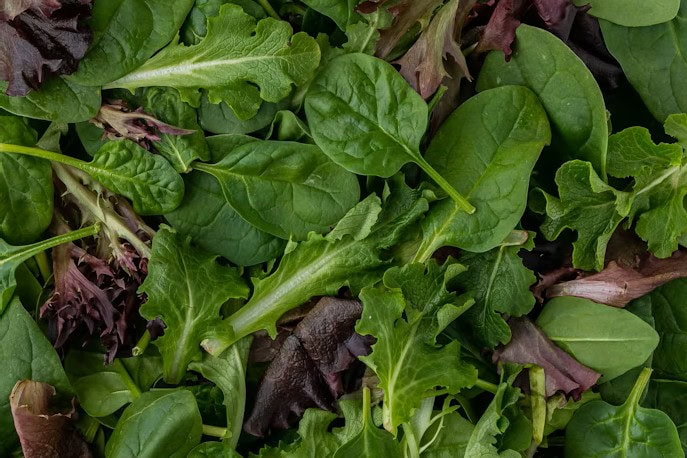
Try to get more deep green leafies into our diet, and I am not talking romaine lettuce. I’m talking spinach, kale, and collards.
These are packed with essential vitamins and minerals, especially magnesium and B vitamins, which we tend to really blow through when we’re under stress.
They’re also among the richest food sources of potassium, and both potassium and magnesium are physiological relaxers that calm the body, support the nervous system, and help lower cortisol.
Here’s the thing about stress and these minerals: when you’re going through a lot of stress, it actually depletes both potassium and magnesium from your body, leaving you deficient, which then makes you even less equipped to handle stress. It becomes a cycle. Getting these minerals back in through food is one of the most direct ways to break it.
8. Probiotic Foods (Yogurt, Kefir, Kimchi)
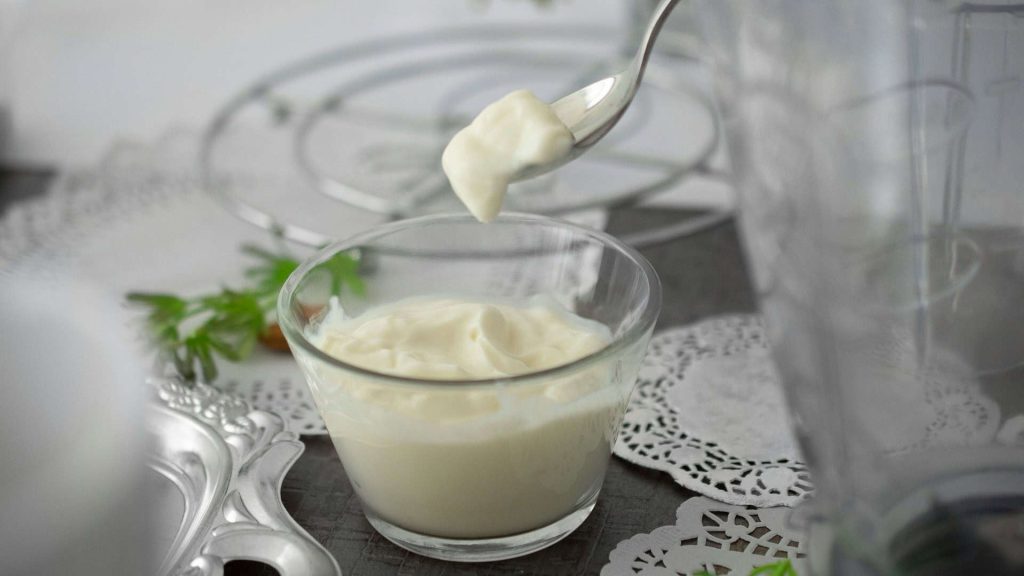
If you’re able to eat more dairy, incorporate Greek style yogurt into your life. If you can’t eat dairy, there are plenty of other options, coconut yogurts and others, just make sure you’re not getting one loaded with sugar.
With these yogurts, you’re getting probiotics that support gut health, which then helps regulate stress hormones.
Studies have shown that consuming probiotics can have a positive effect on mood, stress, and cortisol levels.
And it’s not just yogurt.
Probiotic foods like sauerkraut, kefir, pickles, and kimchi work through the same mechanism; they support the vagus nerve, which is the nerve that connects your brain directly to your digestive system and other organs.
A healthy gut means a better-functioning vagus nerve, and a better-functioning vagus nerve means your body is more capable of shifting into a calm, parasympathetic state. Some people even sleep really well after consuming kefir before bed, that’s the vagus nerve connection in action.
9. Eggs
Egg yolks are the richest food source of choline, and choline is the precursor to acetylcholine, the neurotransmitter that powers your parasympathetic nervous system, your rest-and-digest system.
Think of acetylcholine as your body’s natural off switch for the stress response. Supporting it means supporting your body’s ability to calm down, sleep, digest, and recover.
You can also get choline from organ meats like liver.
To really maximize acetylcholine production, pair eggs with foods rich in B1 and B5, like nutritional yeast or sunflower seeds.
Together, choline, B1, and B5 give your body everything it needs to produce enough acetylcholine to properly counter the effects of stress.

10. Chamomile Tea
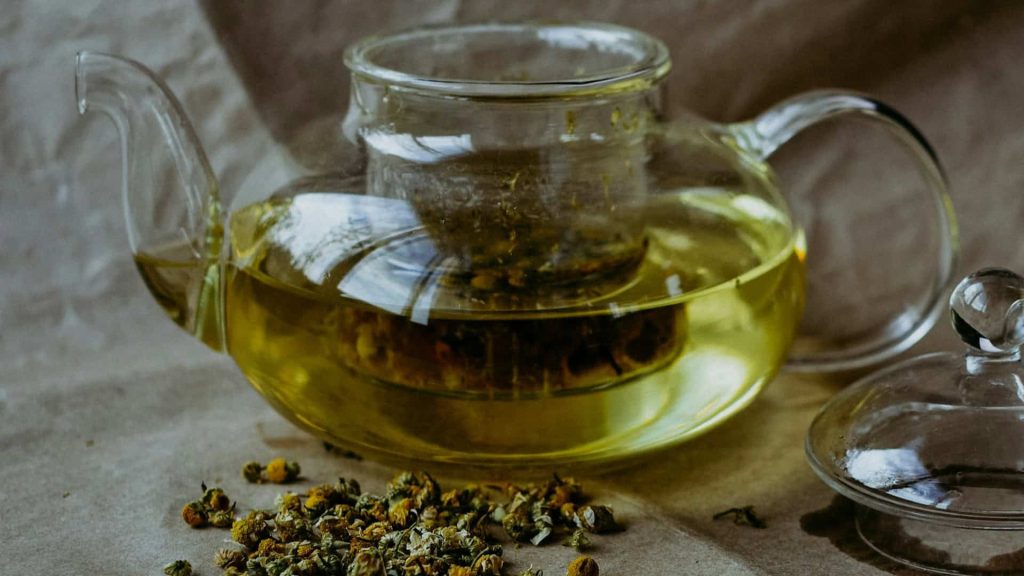
One of the things to do at night is try a little chamomile tea.
Chamomile is well known for its calming and relaxing properties, and research suggests it may help reduce stress and anxiety, which of course lowers cortisol.
It contains antioxidants that help bind to receptors in the brain to promote relaxation and reduce anxiety.
I’m all about these evening rituals. Another great one is an Epsom salt bath, because you’re absorbing more magnesium through your skin. Have your chamomile tea while you’re in the bath and you’ve got yourself a genuinely powerful wind-down routine.
11. Turmeric
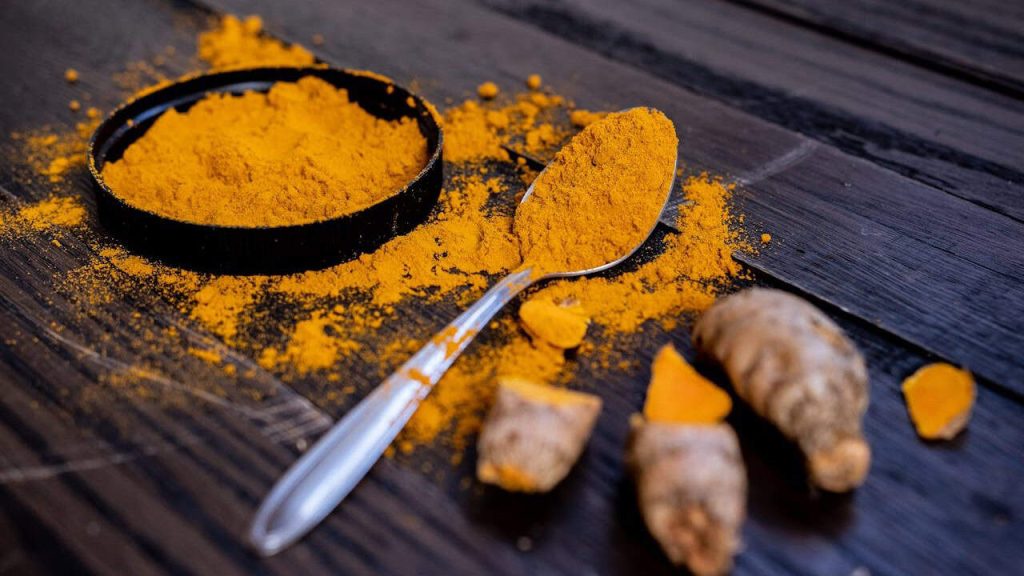
Turmeric is one of those supplements where you’re really taking it to get the active compound curcumin.
Curcumin is an amazing anti-inflammatory and great antioxidant. It’s fantastic for your gut, but it’s also great for the stress response.
Several studies suggest curcumin can modulate the HPA axis, which is the system responsible for regulating cortisol.
Here’s what’s important though: curcumin is not well absorbed on its own, so you need to make sure you’re taking it with fat. If you look at Indian cuisine where turmeric is used heavily, it always comes alongside fat and that’s exactly why.
One More Thing Worth Knowing
While adding the right foods helps, reducing certain foods matters too.
- High sugar and refined carbs can spike cortisol
- Excess starches can keep your body in a stress state
- Chronic high-carb intake (especially processed foods) may disrupt your nervous system balance
Balancing your blood sugar is one of the simplest ways to support stable stress levels.
Here’s something important: your body doesn’t know the difference between mental stress and physical stress, it reacts the same way to both. And in today’s world, we’re not being chased by tigers; we’re dealing with constant low-grade mental stress, which creates the exact same hormonal response.
Cutting out sugar and processed carbs is one of the most powerful moves you can make to start shifting that balance back in your favor.
Final Thought
Lowering cortisol isn’t about one “superfood”, it’s about building small, consistent habits. When you nourish your body with the right nutrients, you’re not just eating healthy… you’re teaching your body how to feel safe and calm again.
Start simple: add a few of these foods into your daily routine, and you’ll likely notice a shift, not just in stress, but in your overall energy and mood too.
Before you leave, you might want to know if cortisol is actually affecting you. These signs of high cortisol in your body can give you a clearer picture.