
About 66% of aspiring entrepreneurs never start a business because they’re afraid of failing. But fear isn’t a strategy. Data is.
One of the smartest ways to improve your chances of success is to study which business models tend to fail, and which ones have a stronger track record.
Here’s a breakdown of which businesses have the highest failure rates, and what the numbers actually tell us.
8 Businesses with Highest Failure Rates
1. Gyms
The fitness industry attracts passionate people, but passion alone doesn’t guarantee profits.
According to the data, around 81% of gyms fail within the first year.
The core problem isn’t the business model. It’s the mindset of the owners.
Most people open a gym because they love working out, not because they love running a business. That means neglected finances, no marketing plan, inconsistent pricing, and a lack of high-margin offerings like personal training subscriptions.
There’s a secret to building wealth that applies here: if you want to get rich, sell things to rich people. Gyms make that very difficult.
There are models that work. Gold’s Gym has been around forever as a franchise.
And there are basically two ways to run a gym: the Planet Fitness model, where people subscribe and never really show up, or the Equinox model, where they show up and pay for it. That’s the difference between $10 a month and $200 to $300 a month.
Regardless, if you want to make your bank account swole, pick another business.

2. Dry Cleaners
Two reasons this one’s a pass.
First, demand is in freefall.
Suits are going out of style, remote work is the norm, and fewer things that need dry cleaning are part of everyday life. The number of dry cleaning establishments has plunged.
Second, remediation.
If you go online right now, you’ll find hundreds of dry cleaners selling for $100,000 to $200,000, often with financing available. Sounds like a deal.
Here’s the catch. The EPA estimates that 75% of dry cleaners in the US have contaminated soil underneath them, with around 650 gallons of hazardous waste on average that needs to be cleaned up. That cleanup can cost anywhere from a few thousand to hundreds of thousands of dollars depending on the depth and the state.
Buying a business that makes $100,000 to $200,000 a year and then discovering you owe a six-figure environmental cleanup bill is not a great outcome. Be careful about what’s underneath your feet.
3. Hotels
Hotels are highly operationally intensive and often rely more on real estate appreciation and tax benefits than on strong operating profits.
The average hotel earns about $94,000 a year in revenue while spending $96,000 to operate. They only look profitable because of real estate depreciation, which is a fancy way of saying they use tax strategies to make the numbers work. Strip that away, and they’re losing money.
On top of that, it’s a 24/7 operation. Someone can call you at 2am furious about something, and that’s just part of the job.
There’s enough going wrong in business already. You should at least get to wake up at 8, have a cup of coffee, and then deal with it.
The industry has also consolidated hard. There were 20 major hotel companies in the 2000s. Now there are 10, and those 10 own 65% of the market.
Independent operators have a very tough road. Most end up franchising, which locks them into 10 to 15 year contracts and leaves them with just 2 to 7% of total revenue after fees.

4. Amazon FBA
There are a lot of young creators on YouTube telling you how easy and lucrative fulfilled-by-Amazon businesses are. The truth is the math doesn’t math.
One, Amazon is your biggest potential competitor. Two, they allow Chinese knockoffs to flood in and undercut you. Three, they take your sales data and use it themselves. The platform risk alone should give you pause.
But here’s what really gets me: you can’t touch your customers. Someone buys your product on Amazon, it ships to their house, and you have no access to their contact information or address. You’re not even allowed to put something in the packaging asking for a review. You are completely cut off from the people buying from you, and that’s one of the most dangerous positions you can be in as a business owner.
The numbers back this up. Only 1% of Amazon sellers reach $100,000 to $250,000 in annual income. 27% achieve about $5,000 in total sales. You might break even within a year since the upfront costs are lower than a traditional business, but six-figure income is genuinely rare.
And when things go wrong, they go wrong fast. One algorithm change and you’re buried in the rankings. One wave of fake negative reviews, which competitors absolutely do on purpose, and you’re done. For every one negative review, you need 10 to 20 positive ones to offset it.
We like Jeff Bezos. Great for the world. 24-hour delivery is incredible. For your bottom line as a seller, probably not.
5. Retail Stores
Incredibly high failure rates, expensive rent just to keep your doors open, and a shrinking customer base as more shopping moves online. That’s the summary.
The deeper problem is something called negative float. You pay for inventory a season or two in advance, then wait for it to arrive, then hope someone buys it. You’re spending money long before you’re making any. And figuring out what inventory to carry in the first place is genuinely hard.
Less than 47% of retail businesses are still operating after four years. The year one failure rate is around 90%.
There’s an old saying that applies perfectly here: if you want to make a million dollars with a retail store, start with three million.

6. Restaurants
One of the toughest businesses to win in.
The average small business in the US sells for around $800,000. The average restaurant sells for $198,000. That gap tells you everything about how hard it is to build lasting value in this industry.
60% of restaurants fail in year one. 80% are gone by year four. Build-out costs run anywhere from $200,000 to a million dollars before you serve a single dish. Then you’ve got ongoing wages, constant food costs, and spoilage, which is the part people don’t think about.
Food doesn’t last like a t-shirt does. You’re paying for product that has an expiration date, and if it doesn’t sell, it’s gone.
The other overlooked problem: customers rarely give you their contact information. They swipe a card and leave. Unlike an online business where you can email people and bring them back, a restaurant has very few tools to drive repeat visits unless you’re really smart about referrals.
Fast food and counter-service models have lower failure rates than full-service restaurants, largely because the overhead is lower. But either way, you have to be an exceptional operator to make it work over the long run.

7. ATMs
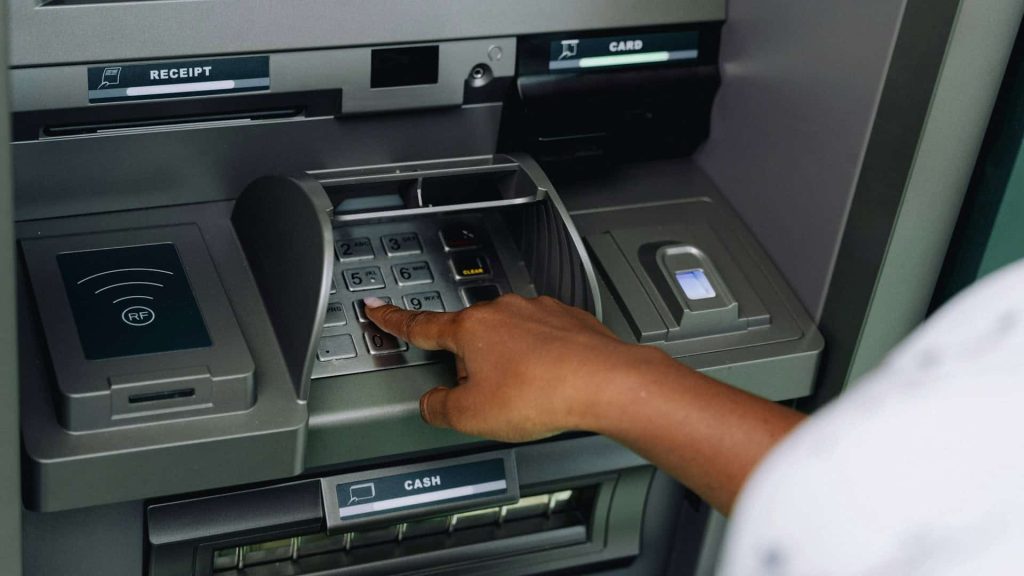
Owning ATMs may seem like an easy source of passive income, but the math says otherwise.
The average machine sees three to five transactions a day at $80 to $100 each, and you earn 1 to 2% of that. That’s somewhere between $2.40 and $15 per machine per day. You also have to drive around collecting cash every couple of days, otherwise the machines get stolen.
On top of that, the machines themselves are expensive. It takes about seven years on average just to recoup what you spent on the machine from the revenue it generates.
And here’s the bigger picture problem, nobody carries cash anymore. You’re dealing with a declining user base, tiny margins, and a lot of logistics. Tough business.
Now, the second way people make money on ATMs is through a surcharge, anywhere from $2 to $5 per transaction on top of the 1 to 2% cut. That helps. But if you’re only doing three to five transactions a day at a normal location, it’s still not going to move the needle.
There are spots where this works: outside a cannabis store that only takes cash, or next to a bar that runs heavy on cash. But then you’re paying premium rent for that location too.
Bottom line, you’d need 50 to 100 ATMs for this to be a viable full-time business.
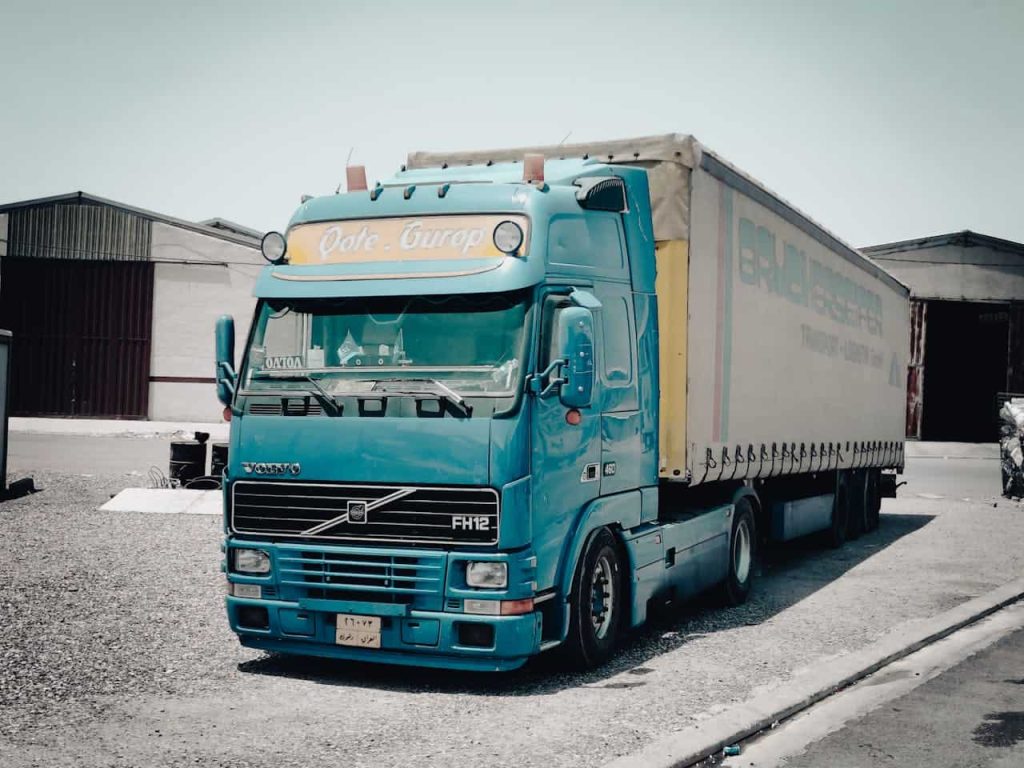
8. Transportation
If you’re looking at the Transportation sector, you’re looking at an 80-90% failure rate for new entrants in the first few years.
This isn’t a “laptop and a dream” business. Between high-interest truck notes, fuel costs, and maintenance, your overhead is astronomical. If your trucks aren’t moving 24/7, you’re burning cash.
Other challenges include unreliable labor, traffic delays, weather risks, and intense competition from big players.
Key Lessons for Entrepreneurs
Choosing the right business is about more than passion. It’s about understanding the economics behind the model.
Businesses with the highest failure rates often share common traits:
- High overhead costs
- Thin profit margins
- Heavy staffing requirements
- Declining consumer demand
- Limited control over customers
High failure rates don’t mean you should never enter these fields, but they should drastically change your due diligence process.
The Bottom Line
Entrepreneurship always involves risk, but some business models offer much better odds than others. The data helps you make that call smarter.
If your goal is to build wealth, focus on businesses with proven demand, recurring customers, and strong economics. Passion matters, but data-driven decision-making can dramatically improve your chances of success.
The best businesses are often the simplest ones — those that solve everyday problems and generate reliable cash flow over time.
Check out these 84 money tips for better business growth and financial health.