Insults are never pleasant. Whether it’s a rude comment, mockery, or subtle disrespect, most of us have experienced it at some point. The real question is: how do you respond?
Do you fire back with another insult? Stay silent and walk away? Or let it affect your confidence?
Today we’re going to explore why people insult others and, more importantly, how you can handle it with grace and confidence.
Why Do People Insult Others?
Understanding the why can take a lot of the sting out of an insult. There are four common reasons people behave this way.
1. Insecurity
People who don’t feel good about themselves often try to regain a sense of control by putting others down.
If someone constantly picks at the way you look, dress, or perform, there’s a good chance it says far more about them than it does about you.
2. Jealousy
Jealousy is a very important motive for someone to mock or ridicule you. People who are jealous feel that they are not getting enough credit for what they are doing, and that is why they want to put you down.
That co-worker mocking your presentation? He might just be envious of the attention you’re getting.
3. Lack of Understanding
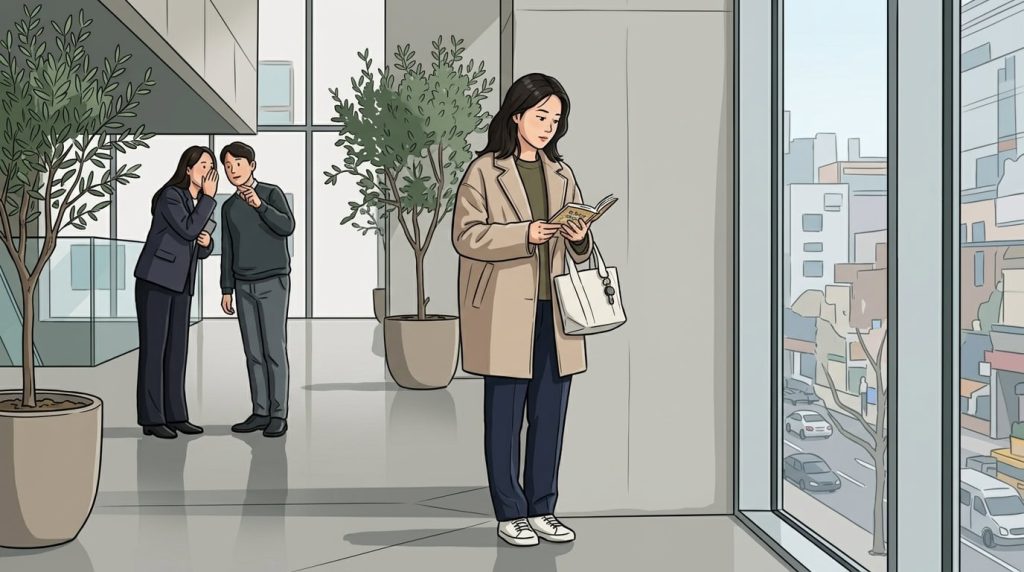
Not every hurtful comment comes from a malicious place. Sometimes people simply don’t realize that their words land differently on someone dealing with a real challenge, a speech difficulty, a health condition, or a personal struggle they know nothing about.
Say for example there’s a kid in school who’s got speech difficulties. He probably stammers or stutters. He’s got a genuine problem, but maybe his schoolmates or classmates don’t really get that. So they might make fun of him without really understanding how it affects him.
4. Playful Teasing
Occasionally, what feels like an insult is actually affection in disguise. Some people like you a lot and think that teasing you a little bit is kind of cool. They love doing that because they are fond of you.
Maybe you have a cousin who keeps calling you a little chubby because you’re on the heavier side, but she does not mean to be rude. Her comments can still hurt you a little bit, but what she is actually indulging in is just playful teasing. It’s perfectly okay to say so.
How to Respond?
The key distinction here is responding versus reacting. A reaction is knee-jerk; a response is considered. Here’s how to do it well.
1. Stay Calm
Insulters, especially insecure ones, want a reaction. They love to control. They want you angry, flustered, or in tears. Don’t give them that satisfaction.
Before you say a word, take a few deep breaths and get composed. A calm reply is almost always more powerful than an emotional one.
If you find yourself losing your cool often, this post covers a few ways to keep your emotions in check.
2. Express How You Feel
Staying calm doesn’t mean staying silent about your feelings. It is your duty to ensure that the person who is insulting or mocking you knows what you are going through.
You can also tell them that if what they are doing is illegal, it can have unpleasant consequences for them.
If you have a co-worker who is bullying you over the internet, you can tell them that reporting them is going to have very bad consequences. Or maybe if you have a cousin who keeps making rude comments at you, you can simply tell them that you’re not very happy about what they’re saying and that it is going to affect your relationship with them.
It’s entirely appropriate, and often necessary, to tell the person how their words affected you.
3. Ask Them to Repeat It
This is a simple but surprisingly powerful move. Calmly ask the person to repeat what they just said.
When you do this, you withhold the reaction they were looking for. Most people who insult others are chasing a response, a flinch, a flush of embarrassment. When you simply ask them to repeat it, they often backtrack, rephrase, or struggle to say it again because repeating it out loud exposes just how poor their behavior actually is.
4. Use Questions of Intent
Direct the spotlight back onto the person by asking questions like, “Did you intend to embarrass me?” or “Did you say that to hurt my feelings?”
This is not about being aggressive. It’s about making them reflect on their own actions. Most people who insult casually have never been asked to look at what they are actually doing. These questions do exactly that.
5. Use a Direct Approach by Reframing
Sometimes you don’t need to ask questions at all. You can simply and firmly tell the person that you do not appreciate their behavior.
If they try to laugh it off as a joke or claim you misunderstood, don’t engage with their justification. Don’t explain yourself, don’t argue back. Just say your piece and leave it there. That firmness speaks for itself.
6. Show Social Disapproval
If the insult happens in front of others, you can call it out by making it clear that the group also disapproves. Something as straightforward as, “We all saw what you did here, and it’s not nice,” puts the behavior on display for everyone in the room.
This works because it removes the insulter’s cover. What felt like a moment of power for them suddenly becomes a moment of public accountability.
7. Let Silence Be Your Response
Sometimes saying nothing at all is the most powerful move you can make.
If someone continues to be disrespectful and you choose not to respond, you are showing them that their words do not affect you. It denies the insulter the reaction they were looking for. It stops the situation from escalating and gives them nothing to work with. Silence, used with confidence, is not weakness. It is control.
8. Use Humor
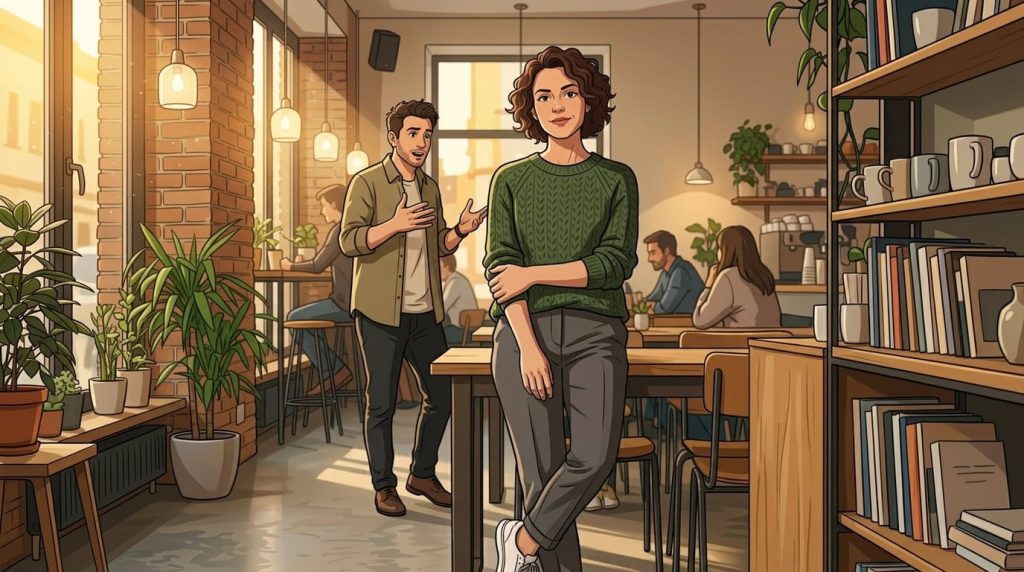
A well-placed, light-hearted joke can completely defuse a tense moment. Humor is probably the best defense mechanism when you have to deal with an insult.
When someone is making a joke at you, you can take that same joke and direct it back at them, but of course you’ve got to do it in a very nice, light-hearted way. That way they don’t feel offended and at the same time it makes the atmosphere easy and not so tense.
Say for example a colleague makes fun of the fact that you walk into work late every day and calls you Miss Late. What you can actually say is: “Yes, I do come late, but I am actually learning from you. I see you walking in late every day as well.” You’re taking the insult but directing the joke back at them. Just make sure you keep a natural tone and don’t raise your voice, so they don’t get as offended as you probably got when they made the remark.
9. Report It When Necessary
If an insult targets your gender, sexuality, religion, or disability, it may be more than rude. It could be illegal. The person doing that is not doing a very lawful thing, and it is your right as the victim to report these kinds of acts.
At school or at work, there are anti-harassment departments that will listen to your situation and do the right thing to ensure that you don’t have to face those insults ever again. You have every right to use them.
Taking Care of Yourself
When you’re being mocked or spoken to rudely on a regular basis, it takes a toll. Doing good things for yourself will always help you feel good, so make self-care non-negotiable.
Go for a quiet walk, get yourself a nice haircut, go to the spa, or work out if that helps you feel better. Whatever genuinely lifts your mood.
You can’t always control how others treat you, but you can absolutely control how well you treat yourself. Not everyone will make you feel good, so you’ve got to do that for yourself.
Check out these science-backed morning habits that will help you feel better.
Build Inner Confidence
One of the best defenses against insults is self-worth.
Try journaling.
Write down the things you like about yourself, your strengths, your achievements, the qualities that make you you.
When someone tries to define you with an unkind word, having that written record reminds you of who you actually are.
Here’s a detailed post on how to build confidence, you should check it out.
Final Thought
People may try to bring you down, but you decide whether you stay there.
Stay calm. Stay confident. And remember:
Your value isn’t defined by someone else’s opinion.
Sharing too much can lead to a lot of unnecessary drama and disrespect. Here’s a list of things you should keep private.