
Twelve hours of screen time in one day is a real number. And it’s not a good one.
Somewhere along the way, being bored started meaning opening an app.
You have ten free minutes, so you scroll TikTok. You’re waiting for something, so you check Instagram. You’re tired at night, so you watch “just one more” video, and suddenly an hour is gone.
There’s nothing wrong with enjoying your phone, but scrolling can easily become the default thing you do whenever you have nothing else going on.
You don’t need to pick something because it looks cool or trendy. Find something you’re genuinely curious about, get a little obsessed with it, and enjoy being a beginner.
Here’s a list of hobbies to help you spend less time scrolling and more time actually doing things. Some take five minutes to start. Some take a season to get good at. All of them beat another hour of scrolling.
1. Trinket and Doll Collecting
There’s something strangely satisfying about collecting little things that have a story behind them.
It could be seashells from places you’ve visited, brooches, buttons, tiny figurines… the object barely matters. What matters is whether it’s hard to find twice, that’s what turns a simple collection into a real hunt.
So you end up digging through flea markets for one specific piece, and when you finally find it, it feels way better than it should for something that cost four dollars. It’s a quiet competition with yourself. Nobody else needs to know you’re collecting for it to feel like a win.
Doll collecting is the same thing but with a worse reputation than it deserves.
This isn’t about horror-movie dolls. Think vintage, antique, Blythe-doll territory instead. Most people can’t actually afford a real Blythe doll, so hunting for something close at a thrift store is half the fun anyway.
Line a few dolls up on a shelf, add a couple of tiny animal figurines next to them, and it stops looking like clutter fast.
2. Film Photography
Film photography is expensive and slow, but it’s worth it anyway.
The camera costs money. The film costs money too. And You have to actually learn what your camera’s doing instead of letting a phone handle it.
You won’t know if a shot worked until the roll gets developed. Some of your photos just won’t turn out. That’s not a mistake on your part, that’s simply how film works.
But the shots that do come out look like nothing your phone can fake, and once you start paying attention before you press the shutter, that habit changes how you notice things even when you’re not holding a camera at all.
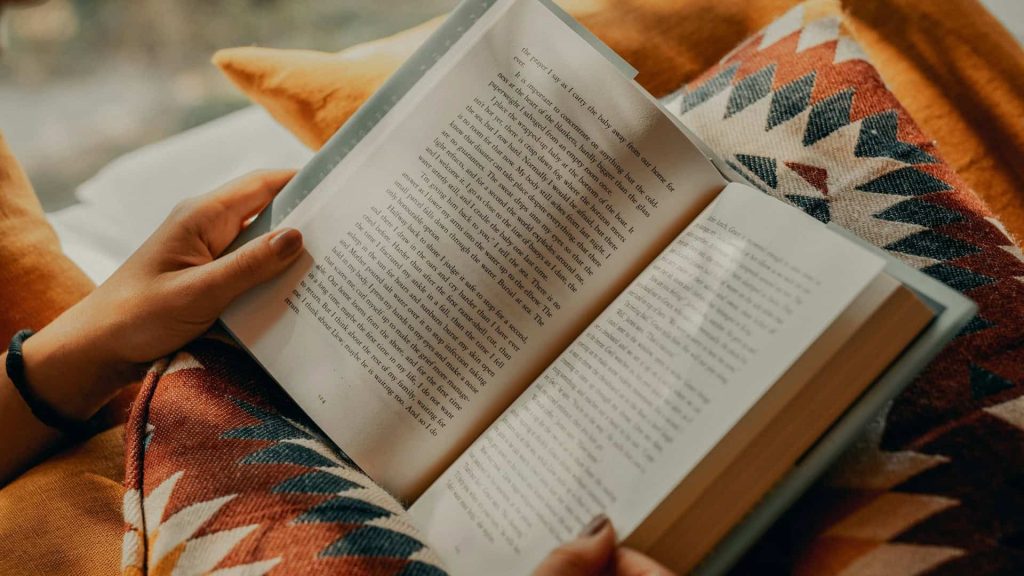
3. Classic Literature
Some classics really are boring. That’s not controversial, it depends entirely on the reader. Pride and Prejudice is cozy and slow, which works for some people and puts others straight to sleep. The Great Gatsby moves faster and tends to land better on a first read.
Every author writes differently, every book on the list earned its reputation for a different reason, and treating “classic” as one flavor is the mistake that keeps people from finding the ones that’d actually work for them.
You’re already familiar with these stories, whether you know it or not.
Half of what gets made now, movies included, is a remix of one of these books anyway — reworked, updated, or just quietly borrowed from. Reading the original doesn’t just fill an afternoon. It means you’re in on a joke most people are repeating without knowing where it came from.
4. Movie Rating
Get a Letterboxd account. Log every movie you watch, rate it honestly, use it as a good excuse to finally clear out your watchlist instead of rewatching the same three shows again.
The real fun is picking a film apart afterward. The casting, the script, the ending you’d have written differently. And then arguing about it with strangers online who watched the exact same thing and disagree with you completely.
It’s a decent way to actually meet people too, since rating things publicly tends to bring out others who care about the same things you do.
No movie is too silly to dig into. Even Shrek holds up to a closer read. Ogres have layers, after all.
5. Junk Journaling and Flower Pressing
Junk journaling: A movie ticket. A photo booth strip. Confetti swept off the floor after a concert. A torn scrap off your favorite coffee cup.
All of it goes into a notebook with one line of context underneath, no structure required, and the messiest pages usually turn out the best ones.
Pinterest has more inspiration than you’ll ever need if you’re stuck on where to start, but you already own everything required. Most of it’s sitting in a drawer somewhere.
Flower pressing: Press a flower flat in a heavy book, write the date next to it once it’s dried, add a short note about your day.
Over time this builds into a record of real moments, not just dates on a calendar, a small, low-effort way to actually notice the outdoors instead of walking straight past it.
6. Calligraphy
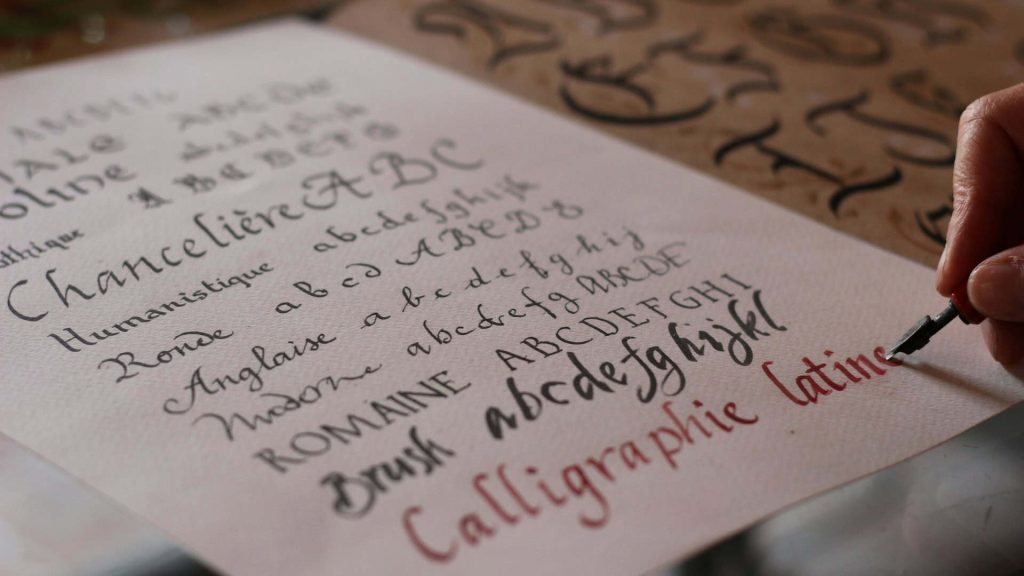
Calligraphy slows your hand down. That slower pace ends up improving your normal handwriting too.
A letter written in it reads nothing like a text does, which makes it one of the few skills here with an obvious use outside itself: postcards, notes, anything you’d want to actually feel like it took effort.
7. Poetry Writing
The worst stretches of your life tend to produce the most poetry, not the best ones. Read it back years later and it’s usually sharper than you remember being at the time.
Poetry works well when regular journaling starts feeling like a chore, a poem doesn’t need full sentences or a clean point to land. A dandelion caught in the wind can say more about anxiety than actually naming the feeling does.
8. Customizing a Deck of Cards
Pick one card a week. Draw on it, don’t print it, maybe a fish on the two of diamonds, whatever comes to mind that day.
There’s always something new to think up because every card is different, and months in, you’ve got a full deck that’s actually yours, not fifty-two copies of the same idea.
There’s a specific kind of satisfaction in handing someone a card and telling them you made it.
9. Crocheting
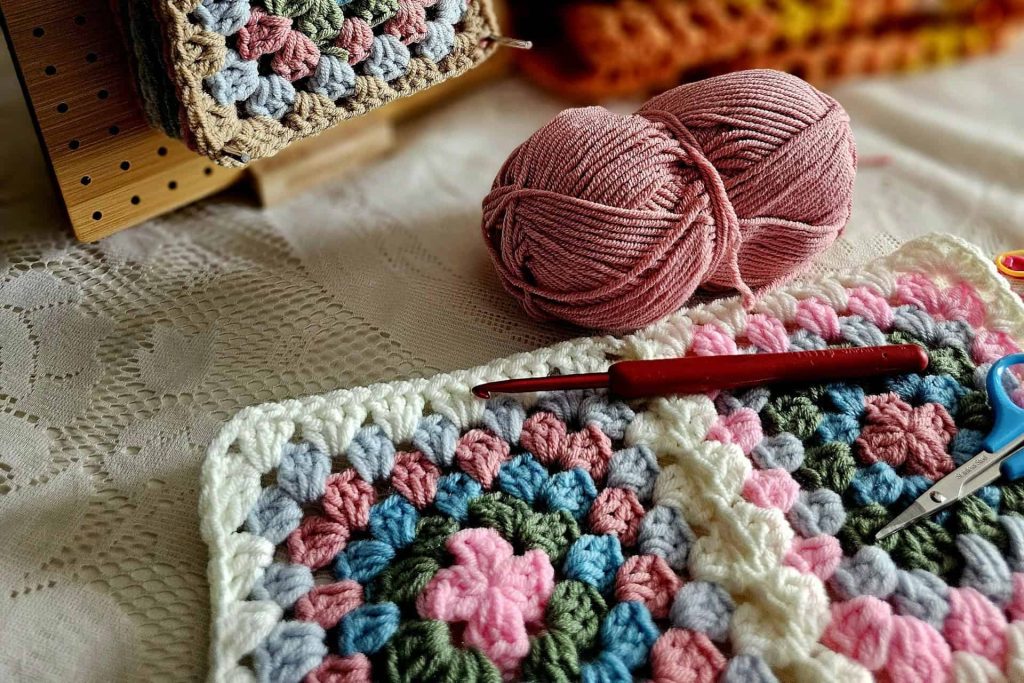
Repetitive enough that you can do it in front of a show without losing your place, and every stitch that slides off the hook is a small win on its own.
You end up with a lot more control over what you actually wear. Recreate something off Pinterest, adjust it as you go, and it comes out looking like yours instead of a copy.
Pick it up or put it down whenever you want. No deadline attached.
10. Thrift Flipping
Here’s the whole idea: find a $6 shirt with fabric you love but a cut you hate. Then change it. Cut the sleeves off, drop a shoulder, chop a pair of jeans into shorts, and it turns from “why did I even buy this” into something you’ll actually wear.
Cheaper than spending $200 on some vintage resale site, too, and a chunk of what you spend at a thrift store goes to a good cause anyway.
If you know how to sew, even a little, this hobby opens up even more.
Stitching a word or a tiny drawing into a pair of jeans turns a basic flip into something nobody else has. The digging through racks takes patience, but that’s exactly what makes finding the right piece feel like a win instead of just a purchase.
11. Learning a Language, Casually
Open Duolingo and pick a language. Any language. A dead language works fine too, or the language of somewhere you’ve always wanted to visit.
French from high school has a way of sticking around for years after the class ends; a random word surfaces out of nowhere on a menu or in a movie, and it feels like a secret you forgot you had.
Make it a habit, not just an app. Turning it into an actual habit gets you further than passive exposure ever does: a dedicated notebook, flashcards, sentences written out by hand, shows or creators followed in that language instead of subtitled ones.
It’s also a real way to connect with people from that culture, not just a party trick.
None of it comes easy at the start. You’ll mess up constantly, and full fluency isn’t guaranteed.
12. Yoga and Pilates
People often write yoga off as too basic to count as a real hobby. Once you’re actually in it, that reputation stops making sense. Real strength, real flexibility, and for some people, enough interest to eventually get certified.
Some are pulled in by the mindfulness side of it. Others just want to hold a handstand for the first time. Either way, it’s one of the only things on this list that trains your mind and body to work with each other instead of against each other, and it comes with a fairly good aesthetic attached too, if that’s part of the appeal for you.
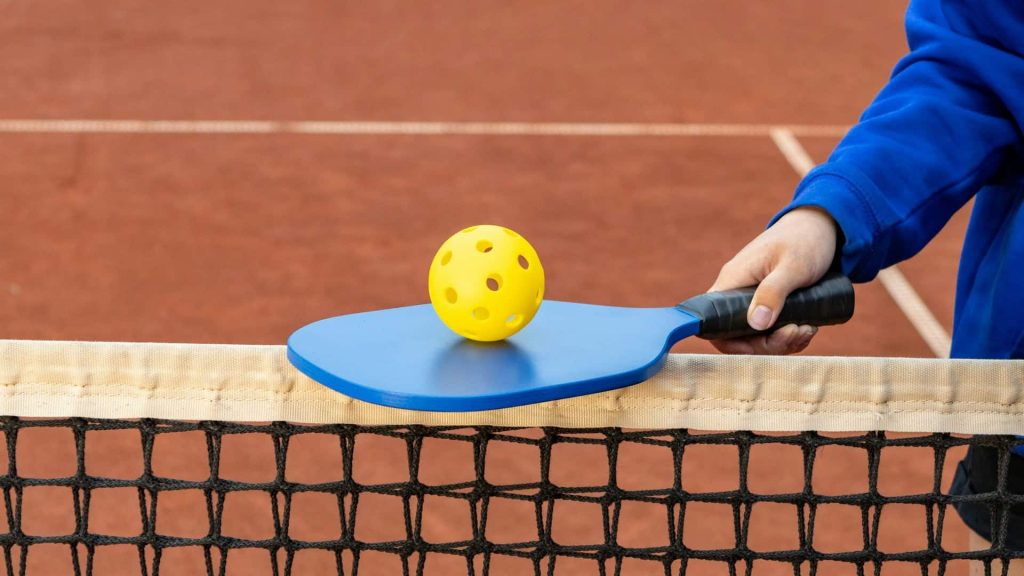
13. Pickleball
Closer to ping pong than tennis, and that’s the appeal. The ball’s light enough that it plays closer to ping pong than tennis.
Good excuse to get outside with people instead of texting them from the couch. Easy to make a small ritual out of it if you want to, an outfit you like, a bag for your paddles, without losing sight of the actual point. Which is just showing up and playing.
14. Baking Cakes
A little bit art, a little bit chemistry. The decorating stage is where your real taste finally gets to show up, clean and minimal one week, loud and colorful the next, depending on your mood.
Also a decent way to mark a season without much effort: something spiced for fall, something bright for summer, a full Halloween cake if that’s your thing.
15. Sourdough Bread
Takes real time to learn. Keep a starter alive, figure out how to get the rise right. Once it clicks though, the range of what you can make is wider than most people expect — plain classic loaves, jalapeño cheddar, rosemary, even chocolate chip if that’s what you’re in the mood for.
It’s one of the few things here that forces you to slow down whether you meant to or not, and there’s something about doing it from scratch that makes an ordinary kitchen feel a little more like a farmhouse one.
16. Floral Arrangements
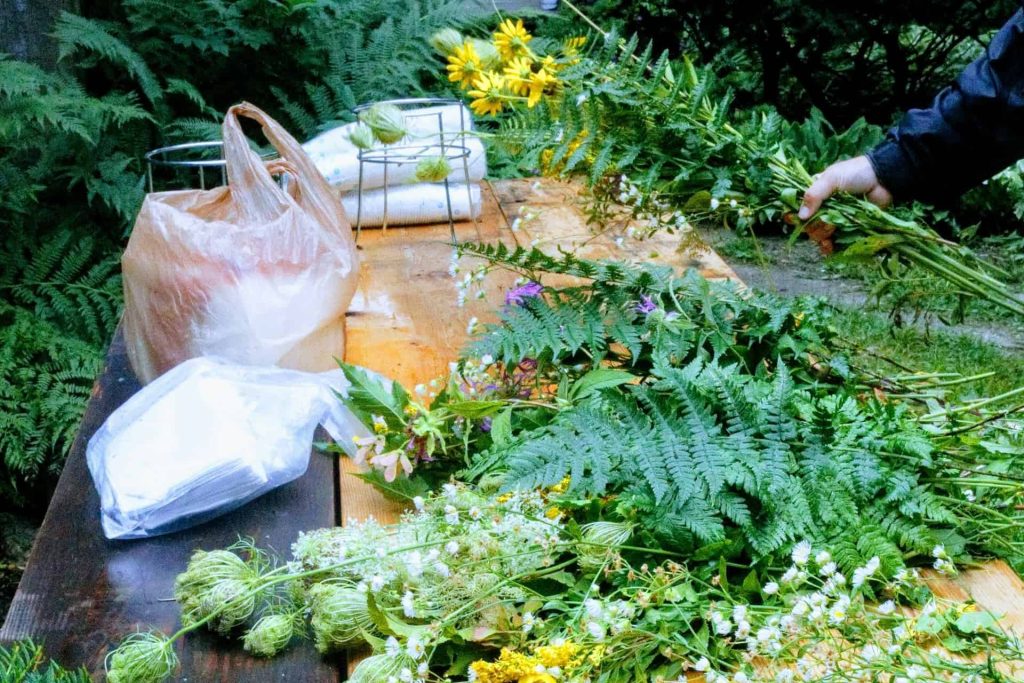
You don’t need an actual flower shop. A grocery store like Trader Joe’s or Whole Foods sells enough variety to mix and match your own bouquet, any leftover stems make a second, smaller bouquet for a friend or family member.
Changes with the season on its own too. Soft pastels work well in spring, deep reds and purples fit once the weather turns cold.
And it’s one of those small, low-cost habits that makes you actually notice the little things instead of walking right past them.
17. Hosting Dinner Parties
Hosting takes real effort. Actual cooking, a table that doesn’t look like an afterthought. That effort is exactly what makes the night feel special, dinner for two counts just as much as dinner for eight.
A theme helps if you want one, a summer menu, a tea party setup, but it isn’t required to make the evening feel like more than an ordinary weeknight.
Find Your Thing
You don’t need to become a person who does all of these things.
Pick one.
Maybe you’ve always wanted to learn crochet. Maybe you’ve been meaning to try film photography. Maybe you just want to start reading again instead of opening TikTok every time you’re bored.
Start there.
The goal isn’t to build a perfectly curated personality. It’s to fill some of that empty scrolling time with things that make you curious, creative, capable, or connected to other people.
So find something you actually care about, get a little obsessed with it, and let yourself be bad at it for a while.
Your phone will still be there when you’re done.
Here are more hobbies you can try that replace doomscrolling.