

If you visit Japan, one thing you’ll notice is that there are almost no obese people there. Like, almost none. Japan’s obesity rate is just about 4%, compared to over 40% in the US.
When it comes to being slim or overweight, diet is obviously the most important factor. But here’s the thing, in most countries, the basic eating pattern is pretty much the same: three meals a day, right? So if that part is basically equal, the real difference has to come down to what people are actually eating.
The Hidden Rule Behind Japanese Meals: Ichiju-Sansai
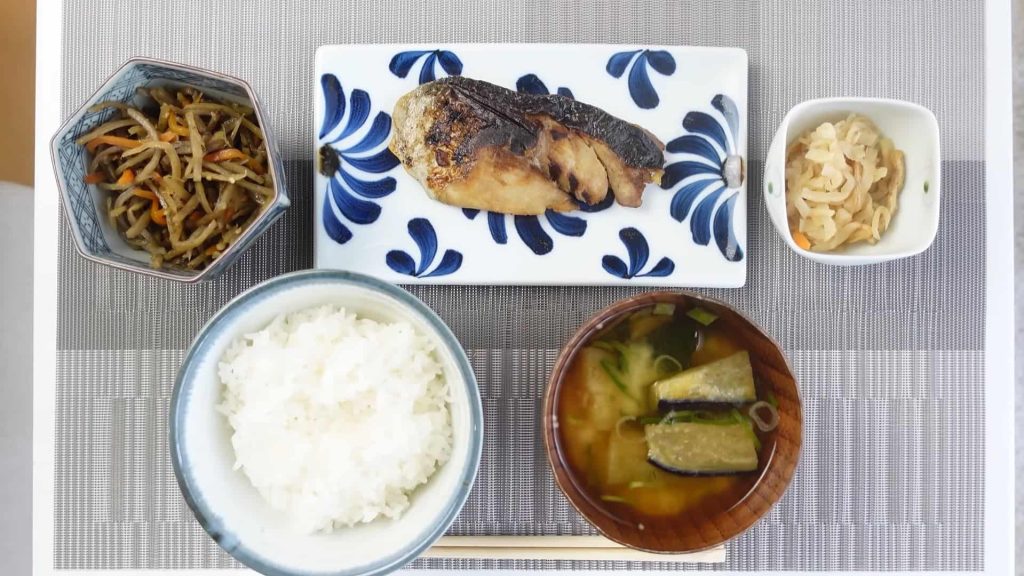
Take a typical Japanese breakfast. At first glance, it probably just looks like a typical Japanese meal, but there’s actually a hidden rule behind it. It’s called Ichiju-sansai, which translates to “one soup and three dishes.”
Your plates include rice, one miso soup, and three side dishes: one main like fish, and two vegetable-based sides.
Because those sides are usually made with vegetables, seaweed, or beans, you’re getting a ton of volume without a crazy calorie count.
And because you’re eating multiple small dishes at once, it naturally takes longer to finish your meal, which gives your brain time to recognize fullness and helps prevent overeating. Pretty smart, honestly.
For a lot of Japanese people, this starts young. Almost all school lunches in elementary and middle school follow this exact format. It’s one of the biggest reasons obesity just isn’t as common here.
The 80% Rule: Hara Hachi Bu
Another big piece of Japanese eating culture is something kids are taught early on: Hara Hachi Bu. It means “eat until you’re about 80% full.”
Even though there are times you feel like you could keep going. But stopping at 80% naturally keeps your calorie intake in check.
We’ve all been there. That heavy, sluggish, unbuttoning-your-pants feeling after eating way too much, maybe at Thanksgiving or some big dinner. When you stop just before you’re completely full though, you feel lighter, more comfortable, and way more willing to actually move around afterward.
It sounds like such a small thing, but it’s genuinely powerful.
At the end of the day, most weight gain comes from just eating more than your body needs. Stopping at 80% is the kind of simple everyday habit that’s easy to follow and surprisingly effective at keeping overeating in check.

No Pressure to “Clean Your Plate”
If you’re stopping at 80%, what do you do with the rest? Nobody wants to waste food, right?
Here’s something kind of cool about Japanese food culture: so many Japanese foods are perfect for freezing.
Take rice, depending on the day, it can genuinely be too much to finish in one sitting. But instead of forcing it down, you just portion it out and freeze it. And it’s not just rice. Miso soup, side dishes, even natto can be frozen before they go bad.
This habit does two things at once: it cuts down on food waste, and it completely removes that pressure to clean your plate just because something might expire soon.

Japan’s Convenience Stores Support Healthier Choices
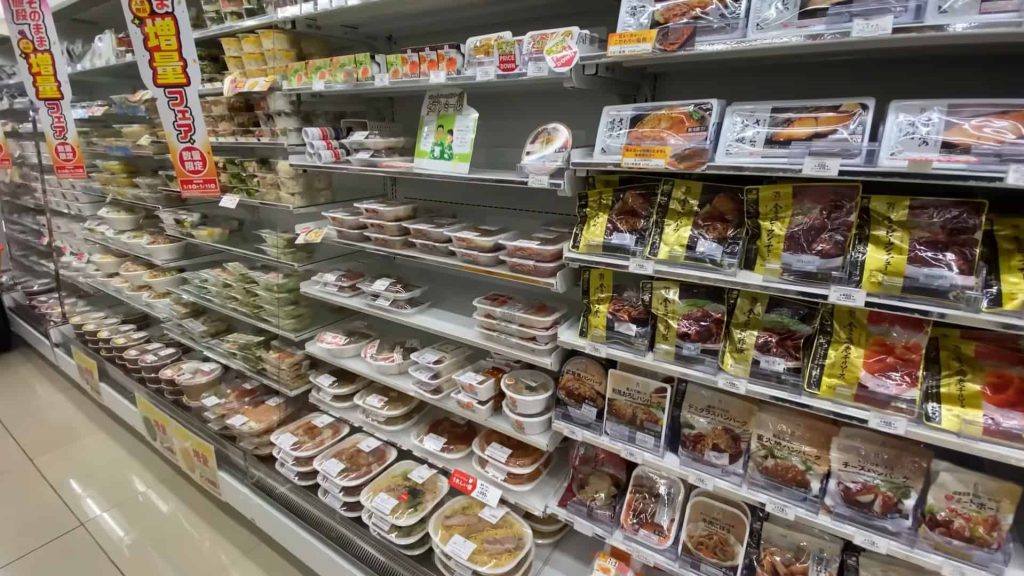
A convenience store sounds like the absolute last place you’d expect to find anything that supports a healthy and slim lifestyle. After all, the whole idea is speed, ease, and instant satisfaction, not healthy eating.
But surprisingly, Japan’s convenience stores are kind of wild in the best way. Vegetable juice packed with your daily nutrients, pre-made salads, foods specifically designed to cut carbs and sugar, it’s all right there on shelves.
And it’s not tucked away in some forgotten corner either. It’s right at eye level, easy to grab without even thinking about it.
The best example is Harusame noodles. It looks just like a regular cup of ramen, but instead of wheat noodles, it uses glass noodles made from starch, fewer carbs, same warmth and comfort. And the packaging straight-up advertises “85 calories per serving” and “low sugar.”
When the healthier option is just as convenient as the regular one, you end up making better choices without even trying.
Vegetables Come First, Even in “Unhealthy” Meals
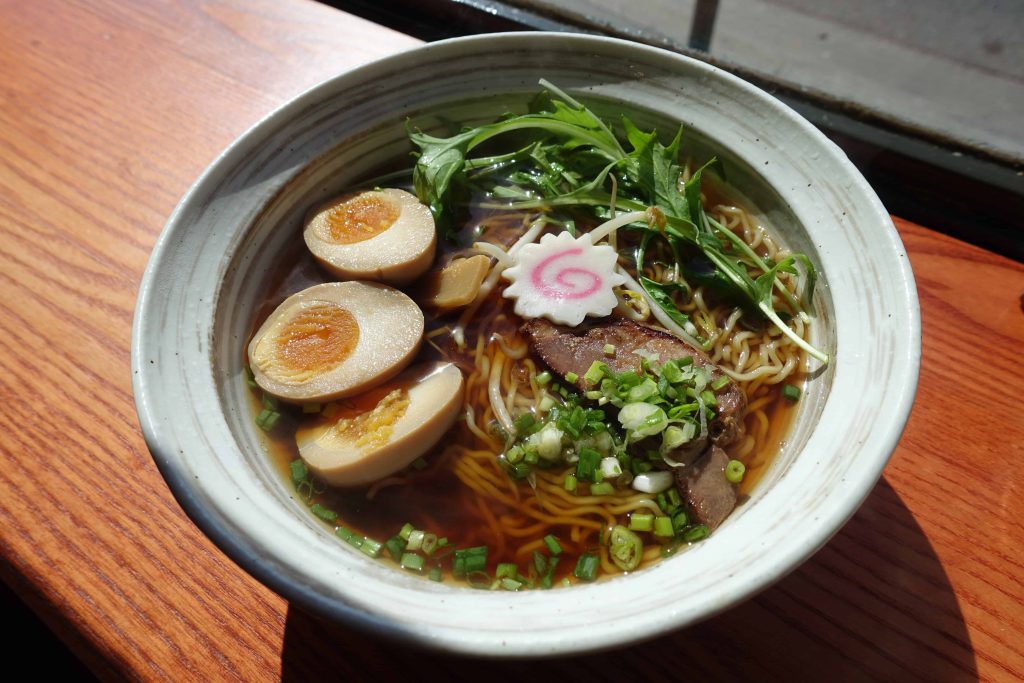
When most people picture ramen, they’re thinking a giant bowl, rich broth, piles of noodles, maybe some pork belly. And yeah, that’s pretty much what Western ramen looks like, but ramen in Japan often looks quite different.
A typical home-cooked ramen involves throwing in a huge amount of vegetables and boiling them right into the pot. In Japan, people are taught from a young age to hit at least 350 grams of vegetables a day, the government literally promotes it.
So vegetables just get added to whatever is being made, ramen included. A lot of households keep a container of stir-fried vegetables in the fridge specifically for this.
If you make ramen at home without vegetables in Japan, it just feels off, kind of like something’s missing. And functionally, it works: the vegetables fill you up first, so you naturally eat less noodles and less rice overall. Calories go down without any real effort.
Portion Sizes Are Naturally Smaller
If you’ve ever eaten ramen in Japan, you might’ve thought the portion was a little… small. And you’d be right.
Compared to a lot of Western countries, Japanese meal sizes tend to be more modest. You can see it clearly at McDonald’s. The same sized names mean noticeably different actual amounts depending on whether you’re in the US or Japan.
But here’s what’s interesting: Japanese people don’t really complain about it, even if they notice.
It connects back to Hara Hachi Bu. The way people think about meals here is less about getting the most food possible and more about balance, appearance, and satisfaction, not quantity.
Even snacks are often divided into small portions, which naturally prevents eating too much at once.
Daily Life Keeps You Moving
It’s not just diet, daily movement plays a role too.
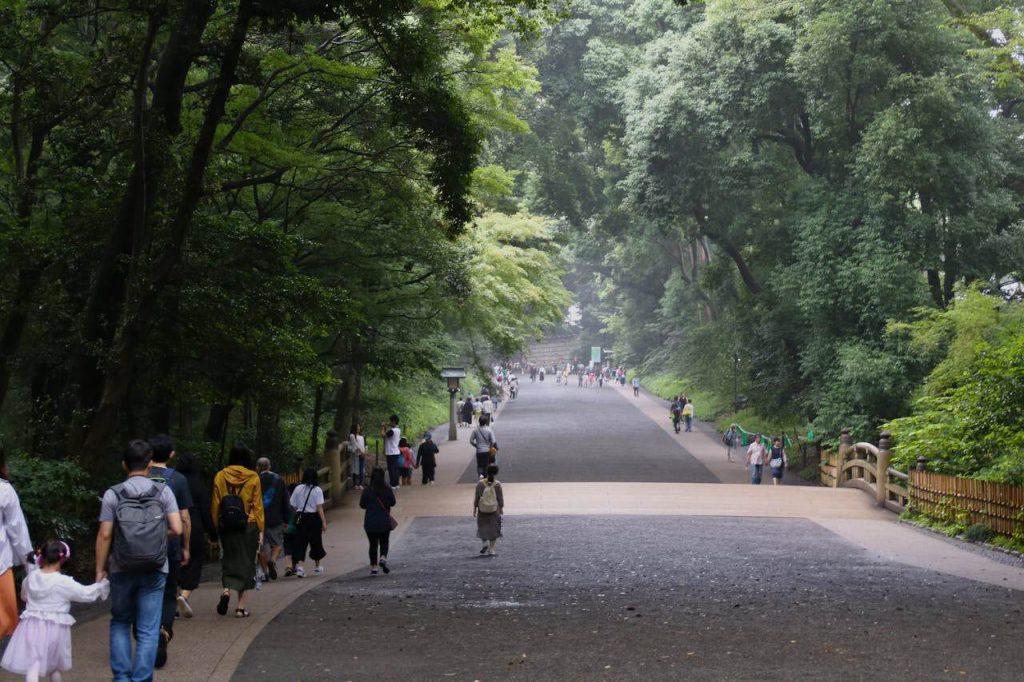
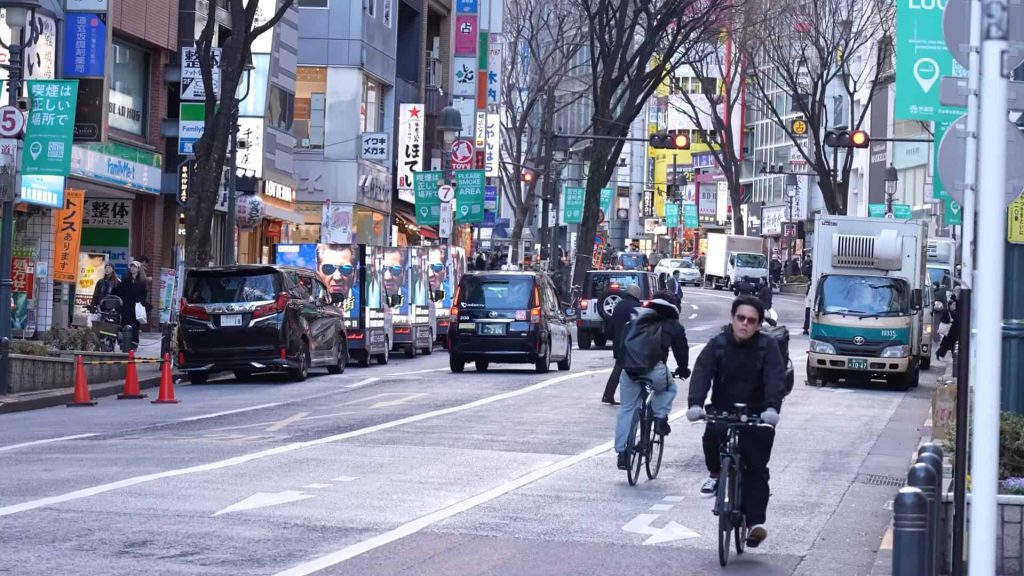
Living in Tokyo means moving way more than you’d expect, without even planning to. The train network is massive, but you genuinely can’t get everywhere by train alone.
It’s very common to walk about 10 minutes just to transfer between lines, even within the same station area.
Because it’s so normal, people rack up steps without even realizing it. On a pretty average day, someone living in Tokyo might hit around 8,000 steps just going about their routine.
Japan’s daily step count averages around 5,800, about 1,000 more than the American average of 4,800.
It doesn’t sound like a lot, but this low-intensity daily movement adds up over time, and it’s one of the reasons why so many people here stay slim.
Social Awareness Around Body Weight
One of the factors is social perception.
Food, habits, movement, those all matter. But the biggest reason might be how Japanese society thinks about weight in the first place.
In Japanese society, how you look, especially your body shape, really matters. Being overweight is often seen not just as unhealthy, but as a lack of self-discipline.
And here’s what makes it fascinating to actually live through: most people don’t personally look at an overweight friend or stranger and think that about them. But the second you gain weight yourself, there’s this immediate feeling of being perceived that way — a low-level anxiety that just kind of sits there.
Gaining a little weight in college? Friends will straight-up tell you: “You’ve gained weight.”
In Japan, commenting on someone’s body changing is totally normal even between women. It might sound uncomfortable from the outside, but it creates a culture where people are constantly aware of how they’re perceived.
That pressure can be stressful but it also motivates people to maintain their figure.
When being slim is the norm, not being slim stands out. And that very Japanese instinct to fit in and not stand out? It quietly keeps a lot of people in check, without a single diet plan involved.
By the way, if you’re looking for more ways to get slim, check out my post on the small habits that help you lose weight naturally.
Eating Dinner Earlier in the Day
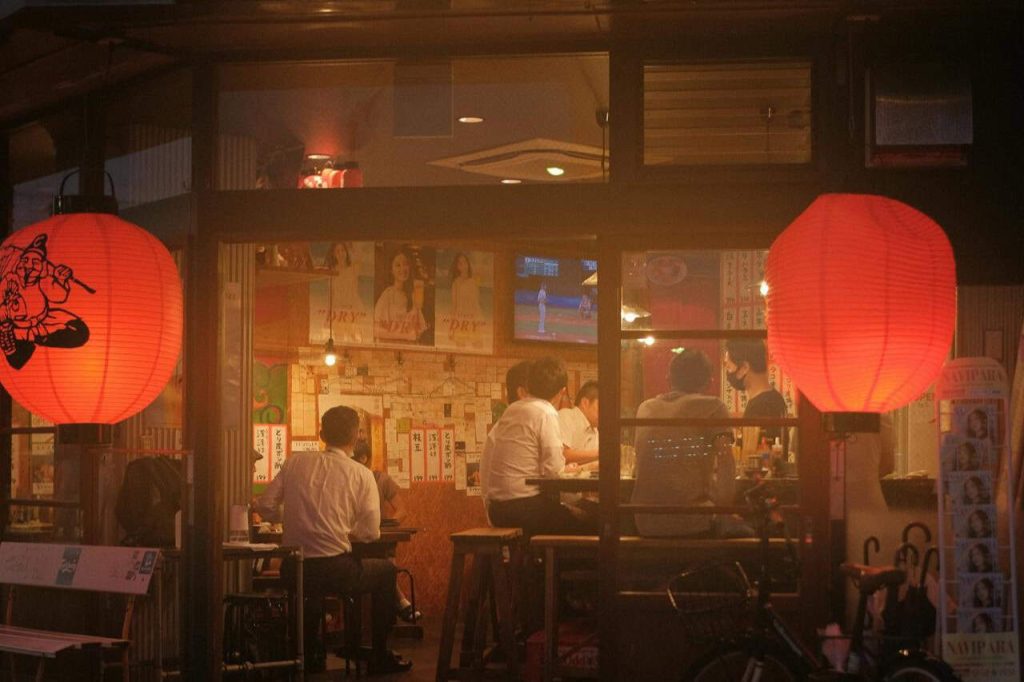
Almost 6:00 p.m. and it’s already dinner time in Japan.
In urban areas like Tokyo, the average dinner time is around 7:00 p.m. In rural Japan, families often eat as early as 5:30 and wrap up by 6:00.
When you compare that to somewhere like the UK, where lunch might not happen until 1 or 2 p.m. and dinner starts well after 8:00, sometimes close to 9:00, the difference is pretty jarring at first.
Beyond being a cultural thing, meal timing actually has a real effect on the body.
Eating late means way less time to digest and burn off energy before sleep. Finishing dinner on the earlier side and going to bed without a full, heavy stomach. Over time, that adds up more than most people realize.
The Bottom Line
There’s no single “secret” behind Japan’s low obesity rate.
Instead, it’s a combination of:
- Balanced meal structure
- Mindful eating habits
- Smaller portions
- Daily movement
- Cultural norms
None of these feel extreme on their own. But together, they create a lifestyle where staying slim happens naturally.
What makes Japan unique isn’t strict dieting or intense workouts, it’s the consistency of small, sustainable habits.
If you’re serious about your long-term health, check out these life-changing habits from Japan.