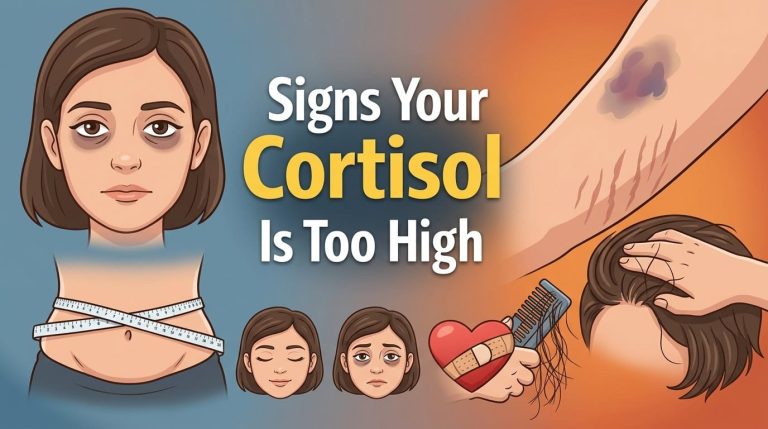

Here are 26 small habits for hormone balance that most people wish they had discovered much sooner.
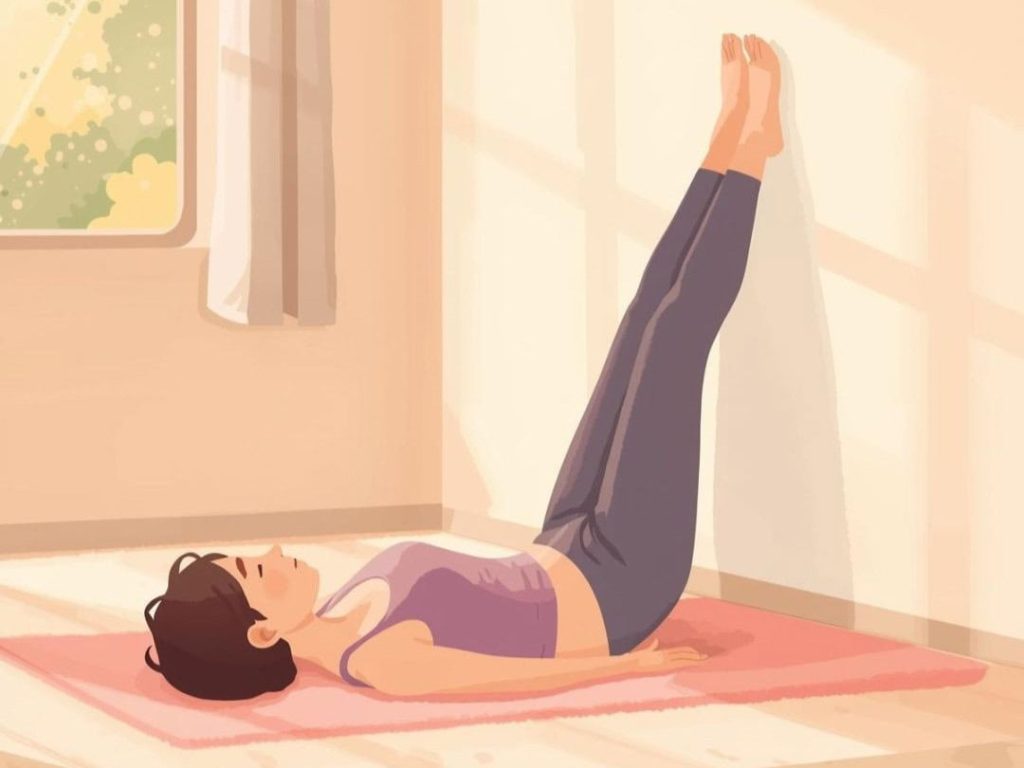
1. Legs Up the Wall
This super relaxing posture does wonders for your nervous system. It reduces stress, supports hormone health, and improves circulation by helping blood and lymph flow back to your core when you elevate your legs above your heart.
While this is technically an official yoga pose called viparita karani, honestly you can just throw your legs up on some pillows or even rest them on a desk. Whatever keeps your legs higher than your chest works.
2. Eat Cruciferous Veggies
Veggies like broccoli, cauliflower, and arugula are amazing for helping your liver process excess estrogen (which can cause all sorts of discomfort) and they support overall hormone detox.
But here’s the thing, don’t go overboard with these veggies. They’re super healthy for tons of reasons, but eat too much and they can cause digestive issues since they’re pretty hard to digest.
Arugula is easier on your system, but with broccoli and cauliflower, really listen to your body and don’t overdo it.
3. Have a Morning Taste of the Ocean
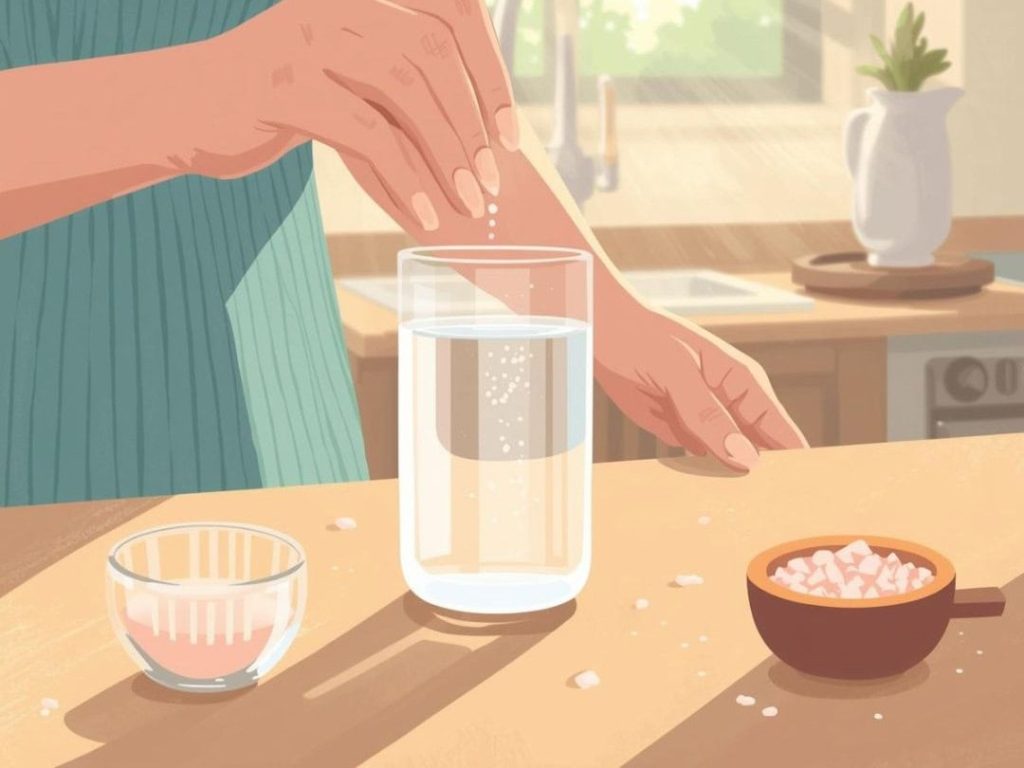
Here’s what I mean: add a pinch of sea salt to your morning water. Mineral-rich salt like Celtic or Himalayan supports your adrenal function—that’s where your body produces cortisol, the stress hormone.
Plus, a little salt in your water actually helps you hydrate more efficiently.
This might sound a bit counterintuitive because you probably know that salt generally has a dehydrating effect. But when you add just a small amount of high-quality salt (not too much), it helps your body retain hydration better.
This is especially helpful if you’re stressed or tend to wake up feeling super groggy.
Quick disclaimer though, if you have high blood pressure and your doctor’s told you to cut back on salt, maybe skip this one.
4. Take Three Deep Breaths Before Eating
Before you dig into your meal, take three deep breaths. This tiny little breathing exercise activates your parasympathetic nervous system, which improves digestion and nutrient absorption while lowering cortisol.
5. Use Essential Oils
This is another surprisingly easy way to lower cortisol, and essential oils can even help with estrogen balance.
If you’re sensitive to smells, you might resist trying this too, worried the oils will smell bad or be way too intense. But give it a shot anyway, you might end up genuinely loving it.
There are two blends worth trying:
- Ground Me blend – it might not be your favorite smell, but when you open the bottle and take a sniff, it genuinely calms you down. Try using it throughout the day during work breaks and you’ll notice a real difference.
- Sleep Well spray – this lavender blend is great sprayed around your pillows before bed. It signals to your body that it’s time to wind down and get sleepy.
Our brains are incredibly sensitive to smell. You know that thing where you catch a scent and you’re instantly transported back to a specific memory? Using smell to condition your brain, like for falling asleep faster, is surprisingly powerful.
6. Go to Bed at the Same Time Every Night
Our bodies love rhythm. And consistent sleep, not only sleeping enough, but also going to bed and waking up at around the same time supports melatonin production, which is the hormone that makes you sleepy, growth hormone, cortisol, and even our reproductive hormones.
What really helps: Creating a consistent evening routine with whatever calms you down.

7. Wash Your Hands Before You Touch Any Food
Obviously you should wash your hands for germ reasons, but even if you’re at home and just put on hand lotion, your hands aren’t actually clean, there are chemicals and possibly even microplastics in that lotion.
You definitely don’t want those on your food because they can act as endocrine disruptors, which means they mess with your body’s hormone system.
8. Switch to Fragrance-Free Wherever Possible
Perfume can also act as an endocrine disruptor, which is why you should consider going fragrance-free where you can.
This includes:
- Lotion
- Shampoo
- Sunscreen
- Laundry detergent
I totally get it, you love your laundry smelling like fresh flowers or whatever. But synthetic fragrances are a huge source of hidden endocrine disruptors. Cutting back on the synthetic fragrances your skin absorbs daily really helps reduce estrogen-mimicking chemicals.
9. Eat Breakfast Within 60 Minutes of Waking Up
If you’re a woman, your body actually needs food to lower cortisol levels, which are naturally high in the morning. To keep cortisol from getting too high, eat something within an hour of waking.
This helps with cortisol and also keeps your blood sugar stable, which is especially (but not only) important for women dealing with cycle or thyroid issues.
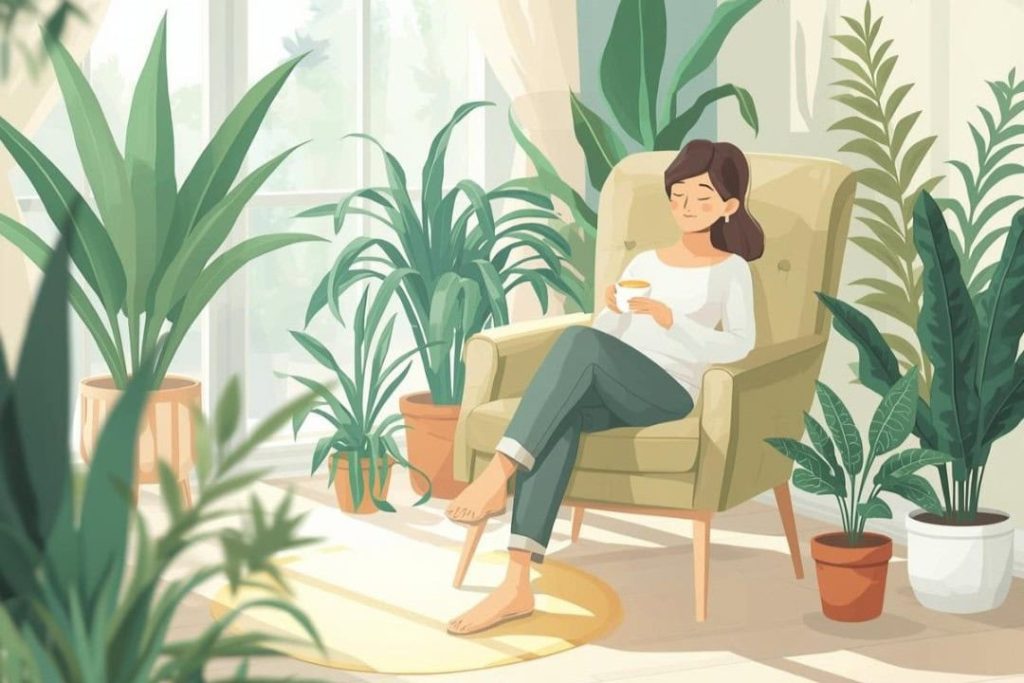
10. Spend More Time Around Plants
The best thing to do is to go into nature, but even having more houseplants in your room, in your place, in your office, wherever you spend a lot of your time can significantly help reduce cortisol.
11. Don’t Work Out Hungry
Here’s another way to reduce cortisol: don’t exercise on an empty stomach. If you’ve heard that fasted workouts burn more fat, it’s time to forget that idea.
Instead:
- Eat a real meal 2-3 hours before your workout, OR
- Have a snack about 30 minutes before
Otherwise your cortisol will spike, which is terrible for fat burning and your entire hormone system.
12. Swap Out Plastics in Your Kitchen
Plastic and microplastics can seriously disrupt your hormone system, so start swapping them out in your kitchen.
Easy switches:
- Use wooden or metal spatulas instead of plastic
- Use wood or glass cutting boards instead of plastic
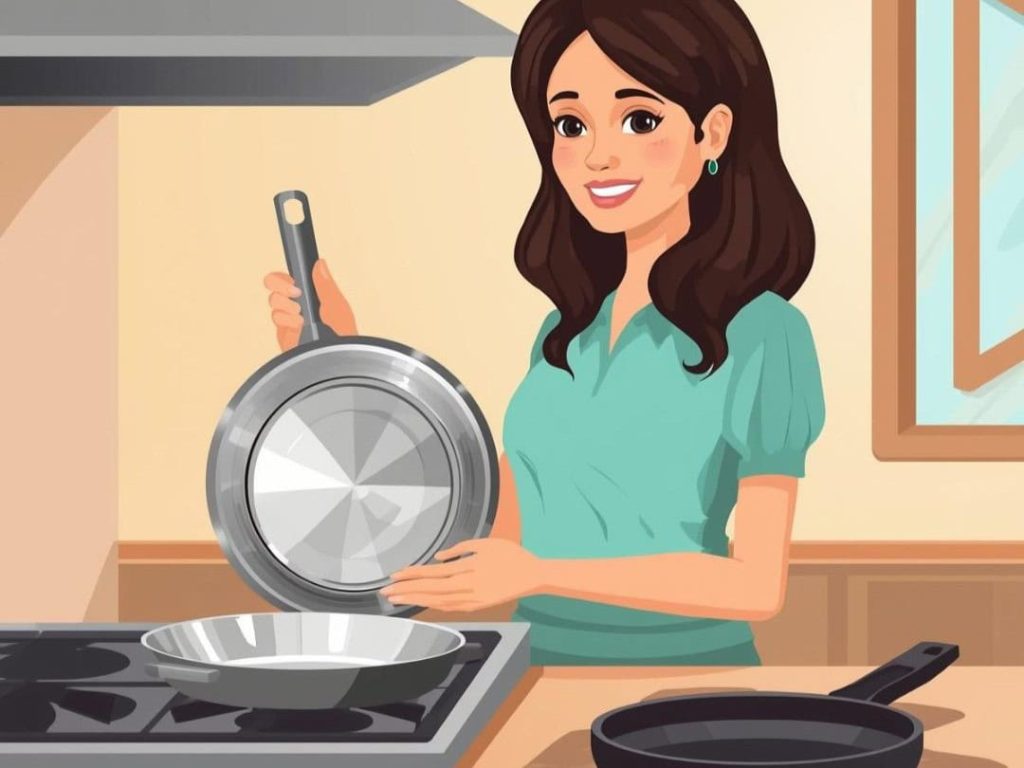
13. Ditch Non-Stick Cookware
While we’re talking about the kitchen, non-stick cookware (like Teflon pans) contains PFAs or “forever chemicals” that make scrambled eggs super easy, I know. But they can really mess with your hormone health. Plus they’re terrible for the environment.
If you’re surprised by that, you might also want to read my post on everyday house danger items that most of us never question.
Now, you don’t have to replace everything at once. Just go one by one. But starting with your pan, which you probably use constantly if you cook a lot, can make a huge difference with just that one swap.
14. Choose Natural Fabrics Over Synthetic
Another sneaky source of endocrine disruptors? Water-resistant clothing. Basically any plastic in your clothes.
It’s pretty hard to find actual natural fabric clothing these days. Sometimes you need elastics, like in workout clothes. But wherever possible, go for cotton, wool, or any natural material instead of polyester.
15. Eat Enough Fats
Healthy fats are SO important. Being scared of fat just because of calories isn’t going to get you anywhere, even with fat loss. When you don’t eat enough fat, it’s really hard not to overeat because fats help you feel full.
Why it matters:
- That full, satisfied feeling comes from satiety hormones
- Your reproductive hormones need healthy fats to function properly
How much: Aim for about 0.5 to 1 gram of fat per kilo of body weight. And for a standard 2,000-calorie diet, this is about 44 to 78 grams of fat per day.
16. Don’t Have Coffee on an Empty Stomach
If you love coffee like me, that’s totally fine. Have your coffee! But don’t drink it on an empty stomach. Coffee raises cortisol even when you eat with it or have it later in the day, but especially in the morning when cortisol is already naturally high.
And especially if you haven’t eaten yet. Like I said before, if you don’t eat within an hour of waking, your cortisol is already elevated. Adding caffeine on top of that? Not good.
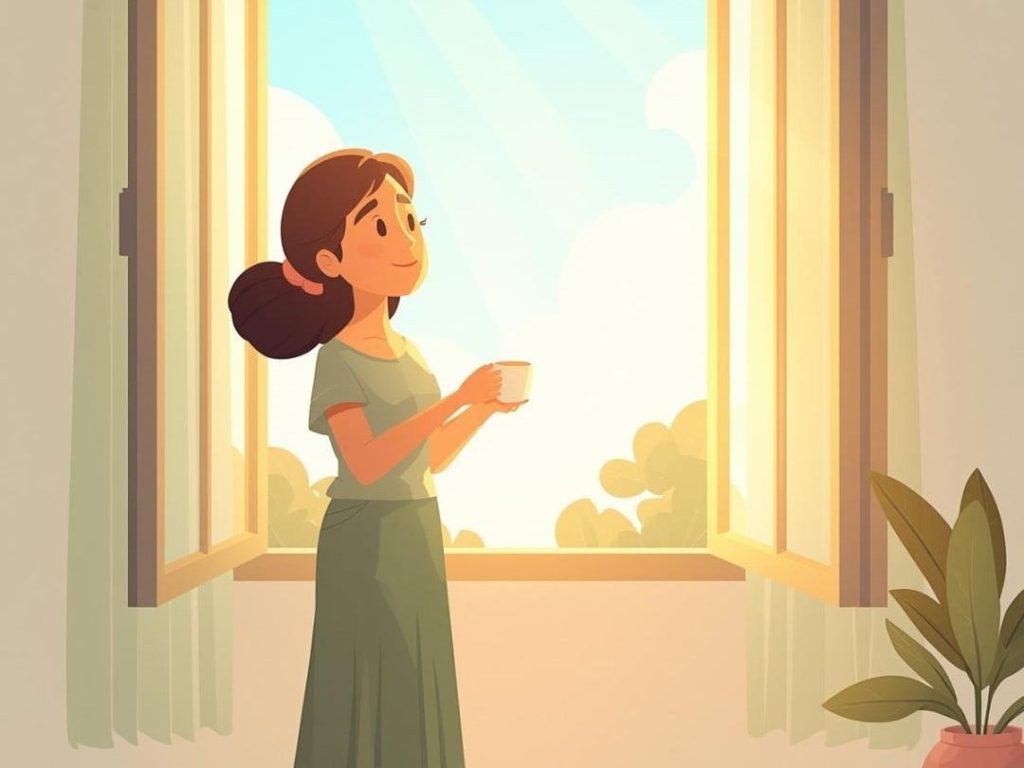
17. Get 10 Minutes of Morning Sunlight
Expose your eyes to sunlight every morning or as many mornings as you can. This helps balance both cortisol and melatonin, two of the most important hormones for your circadian rhythm. They tell your body when to be awake and when to be sleepy.
Obviously, this is best when it’s combined with movement. So, have a little morning walk as well.
Your options:
- If you have a window, you can stick your head out
- If you have a balcony or a terrace, go outside
- If you have neither, go downstairs and just stand there or even better, walk a bit
18. Sync With Local Sunlight When You Travel
When traveling, try to sync with local sunlight. This is super important for your circadian rhythm. It minimizes cortisol disruption and helps with jet lag.
Little side tip: Sunglasses block this effect, so if you want to trick your body into thinking it’s nighttime even though it’s sunny, just wear sunglasses.
19. Drink Water After Brushing Your Teeth
Drink a glass of water after brushing your teeth every morning. Hydration is incredibly important for hormone health, especially in the morning since your body’s dehydrated after not drinking for about 8 hours.
Why it matters:
- Even mild dehydration stresses your adrenal glands (which produce cortisol)
- Dehydration slows down the detox processes that affect estrogen balance
20. Have Fermented Foods Daily
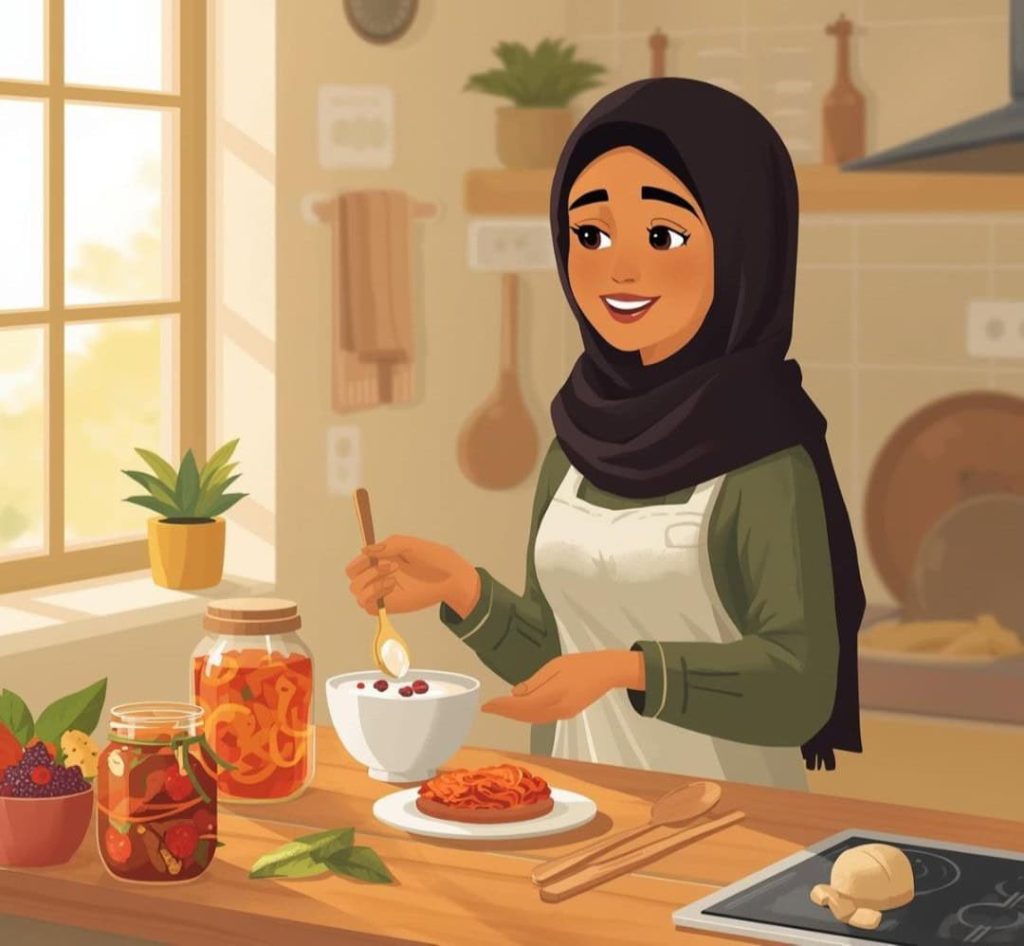
You’ve probably heard by now that gut health, specifically your microbiome is crucial for tons of body functions, including hormone health. So you should really have at least one serving of fermented foods every day.
Easy options:
- A bit of kimchi on your salad or sandwich
- Yogurt with live bacteria for breakfast
- Some kombucha if you like it
Note: If you’re histamine intolerant, this might not work for you. Talk to your doctor about probiotic supplements instead.
21. Have Nervous System Snacks Throughout the Day
Do little things throughout the day to calm your nervous system. This can include mini meditations. It doesn’t have to be a whole formal practice.
Quick options:
- Sit and take deep breaths for even just 10 seconds, literally three deep breaths
- Lie on your floor for a minute or maybe 5 with zero distractions
This significantly reduces cortisol and supports progesterone production.
Here’s a list of foods that help lower cortisol naturally.
22. Eat Magnesium-Rich Foods in the Evening
Magnesium-rich foods, especially in the evening, help with progesterone production.
Benefits:
- Supports progesterone production
- Helps with sleep and stress resilience
What to eat:
- Pumpkin seeds
- Dark chocolate (but don’t overdo it—it has caffeine too)
- Banana with almond butter
23. Block Out Blue Light in the Evenings
Try to block blue light in the evenings, ideally after sunset.
How to do it:
- Don’t look at screens (but realistically, you probably will)
- Turn on the blue light filter on your devices and make the screen as warm as possible
- Get orange-tinted glasses that make everything more red/orange and less blue
This helps melatonin production and improves sleep quality.

24. Try Adaptogens
Adaptogens helped me so much in getting my hormones back to normal. They’re supplements that help your body handle stressful situations.
Examples:
- Ashwagandha in the evening
- Rhodiola rosea in the morning
Important: Please consult your doctor before starting any supplements. Ashwagandha, for example, can potentially harm your liver if you overdo it. Be careful and only get high-quality, clean products.
25. Move Regularly
One of the best things you can do is move regularly to help your body regulate insulin, reduce stress hormones, and improve thyroid function. Even gentle movement like walking or stretching counts.
Important caveat: If you’re dealing with actual hormone issues, especially reproductive hormones, be careful with high-intensity training—it can make things worse.
While strength training, cardio, and interval training are incredibly beneficial for health, they’re also stressful on your body and raise cortisol in the moment. That’s fine if you’re generally healthy. But if your hormones are already out of balance, you might want to pause the intense workouts for a while.
26. Never Under-Eat
Another major stressor on your body is not eating enough, so please, never under-eat. Under-eating can wreck your entire hormone system.
Why it matters:
- Pretty much every hormone is connected to having enough energy
- If you under-eat, you create an energy deficiency
Want to lose fat? That’s totally fine, but do it gently and slowly. I know it’s tough to be patient, especially if you want to look snatched for summer, but harsh calorie restriction will mess up your hormones and ultimately how your body looks long-term.
So, nutrition and exercise can have a huge impact on especially female hormone health.
Bottom Line
Hormone health isn’t about perfection, it’s about consistency with the small stuff. You don’t need to do all 26 of these habits starting tomorrow. Just pick one or two that feel doable and build from there.
Your body is smart. It knows how to balance itself when you give it the right support. These habits are just about removing the obstacles and giving your hormones what they need to do their job.
Start small, be patient, and listen to your body. That’s really all it takes.
If you’re looking for more, these Chinese wellness rituals specifically for women, these are habits that actually work.