
You might not want to hear this, but your mom may have been right.
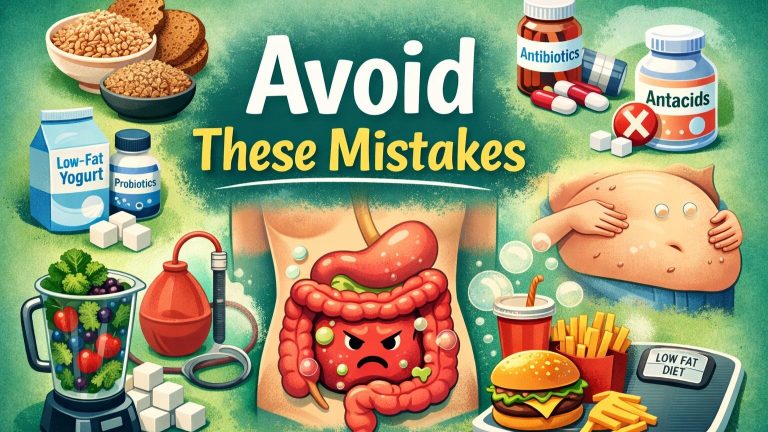
You may have followed or been following the typical Western wellness routine: ice smoothies for breakfast, cold salads with chicken breast, fasted workouts, and high-intensity interval training. It’s easy to believe that anything labeled “modern” or “trendy” is better than the habits you grew up with.
Maybe you were even told to avoid cold foods or take better care of your body, but you brushed it off.
And now? You might be noticing the effects.
You may begin experiencing:
- Digestive issues
- Skin problems
- Hormonal imbalances
- Mood swings
- Painful periods
And despite trying different wellness trends, nothing seems to fully fix the root problem.
This is where a different approach can change everything.
When you start reconnecting with more traditional, body-aware practices, like those in Chinese wellness you may notice real changes:
- Your cycle becomes more regular
- Your energy feels steady
- Your digestion improves
- Your body feels more balanced
None of this requires a harder routine. It just involves a different framework entirely.
So in this post, we are going to discuss Chinese wellness habits for women worth trying out, from food, hydration, rest, and movement to small lifestyle shifts that actually make your nervous system feel safer.
Before we get into it, a mindset shift that changes everything
Western wellness asks: “What should I add to my life to make it better?”
Traditional Chinese medicine (TCM) asks: “What is my body trying to tell me, and what’s blocking it?”
In TCM (Traditional Chinese Medicine), the body is seen as a system of energy, also known as qi, and it’s important that qi flows freely.
When we’re depleted, cold, stressed, and running on empty, that flow gets blocked. And blocked flow is exactly what shows up in a lot of us women: fatigue, digestive issues, hormone issues, brain fog, anxiety, and so forth.
When your nervous system is stuck in a low-grade stress response, which is honestly what most high-functioning modern women are living in your body stays in survival mode. It doesn’t prioritize digestion. It doesn’t prioritize hormone regulation or deep rest. It’s just focused on getting through the day.
So these habits aren’t about discipline.
They’re about helping your body feel safe enough to function properly.
Okay, let’s get into it.
1. Prioritize Warmth
Chinese families are serious about warmth, not just environmentally, but internally.
You may have heard this before:
Don’t go to bed or outside with wet hair.
It might sound simple, but it matters.
Wet hair allows cold to enter through your scalp, which over time leads to headaches and neck tension.
Think about those phases where you’ve added mousse to damp hair and let it air-dry, and then ended up with a headache shortly after. There’s actually a reason for that.
Modern physiology agrees: Wet hair in cold conditions causes rapid heat loss from the head, triggering a stress response in the body.
So just dry your hair.
2. Drink Warm Water, Especially in the Morning
The TCM take: Cold water shocks the digestive system. It’s basically like pouring ice water onto a warm engine. Warm water gently wakes up your gut and primes digestion for the day.
If you’ve been drinking iced electrolytes, cold water, or iced coffee first thing on an empty stomach, that’s a double whammy on your digestive system. Over time it makes your digestion weaker and weaker, and it becomes really difficult to have healthy bowel movements.
Try starting your morning with:
- Warm water, or
- Warm lemon water, or
- Warm water with a slice of ginger if things feel sluggish
Modern science agrees: Warm fluids support gut motility and circulation.
Try drinking warm water throughout the entire day even in summer. If you get bloated easily, have digestive issues, or your bowel movements are never really that great. Try this for two weeks. It’s going to change your life.
If you’re really dealing with bloating or gut issues, it’s worth looking at the foods that may be causing inflammation in your body. We also have a detailed guide on bloating & gas you might want to read.
3. Keep Your Core Areas Warm
The TCM take: Certain areas are especially vulnerable for women.
| Area | Why it matters in TCM |
|---|---|
| Neck | Entry point for cold |
| Belly button | Connected to digestive + reproductive organs |
| Lower abdomen | Houses the uterus and kidney energy |
| Feet | Where several major meridians begin and end |
Cold hands and feet are typically associated with low energy and more painful periods.
Keeping these areas warm supports circulation, energy, and hormonal balance.
Easy ways to protect these areas:
- Wear a scarf in the cold
- Keep your midriff covered
- Get cozy house slippers or thick socks
- Do a foot soak before bed, warm water + Epsom salts, 10 to 15 minutes. You’ll have the best sleep ever
4. Eat Warm, Cooked Foods
The TCM take: Raw and cold foods are hard for a stressed, depleted gut to digest. Cooked foods are gentler, easier to absorb, and more nourishing.
Harder to digest: raw salads, cold smoothies
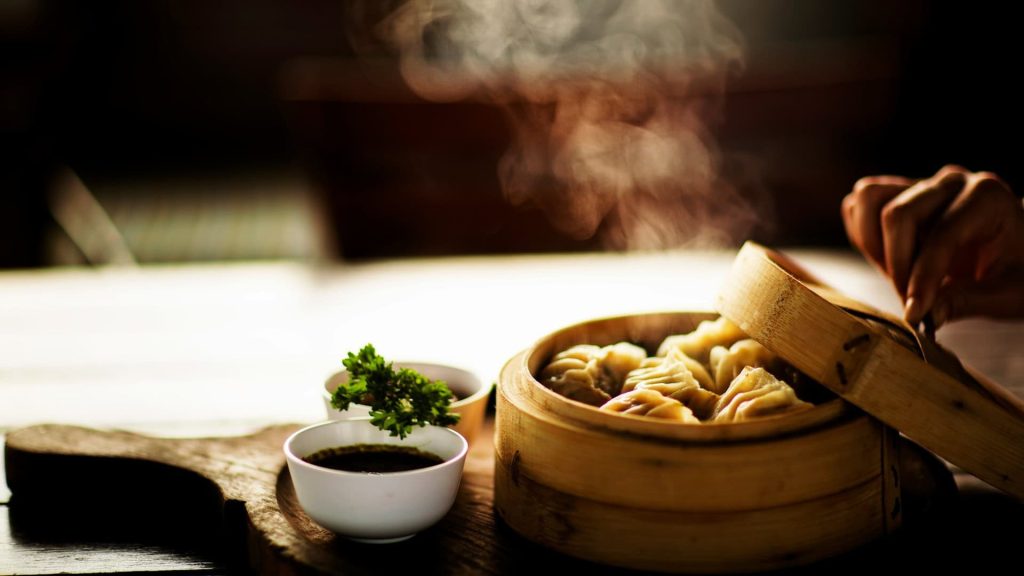
Easier to digest: soups, congee, stews, curries, cooked vegetables
If you’ve been eating a lot of salads and never feeling that great afterward, not full enough, not nourished enough, this might be why.
When you start introducing more warming, satiating, cooked foods, something shifts. You stop looking at calories. You start eating for nourishment instead of for what you want your body to look like.
And then ironically? You end up in better shape. More muscle, more energy, stronger and more vibrant.
5. Slow Down, Chew More, and Eat Without Screens
The TCM take: Mindful eating is a fundamental part of nourishment. Sitting down, disconnecting, actually looking at your food. It allows your body to come down and absorb what you’re eating.
Most of us are eating completely distracted, scrolling, watching TV, barely chewing, just swallowing food quickly. Western science agrees that properly chewing your food makes it significantly easier on your gut.
Two simple shifts to start:
- Chew each bite more than you think you need to
- Eat without a screen at least once a day
You’re going to notice a significant difference in both your digestion and how full you actually feel.
6. Incorporate Herbal Teas, Soups, and Elixirs
In Chinese culture, warm liquids and tonics aren’t extras. They’re just part of how you nourish your body.
A few easy ones to rotate:
Ginger, red date & goji tea are warming and nutritious, perfect whenever you feel depleted or like you’re coming down with something.
Cycle-syncing teas
- Menstrual phase — warming circulation blend for cramp relief
- Follicular phase — replenishing blend with jujubes and goji berries post-bleed
- Luteal phase — grounding digestive blend for when mood and energy are low
Snow fungus & pear elixir Asian pear, ginger, goji berries, jujubes, and snow fungus simmered together. Great for adding moisture back into the body, especially during dry winter months.
These don’t need to be complicated. Even a simple soup with vegetables and bones is enough.
7. Sleep Before Midnight
The TCM take: This is when the gallbladder and liver are most active, the organs associated with stress processing, emotional regulation, and cellular repair.
Consistently staying up past midnight is one of the easiest ways to deplete your system.
You don’t have to be asleep by 10 PM. But being horizontal and away from screens before 11 PM is going to make a huge difference over time.
8. Rest According to Your Cycle
Your energy naturally changes throughout the month.
The TCM take: The luteal and menstrual phases are yin time. Your body is doing significant work, either actively shedding or preparing to shed. Your hormones are at their lowest. Your body is asking for rest.
What this looks like in practice:
- Prioritize sleep and slow down
- Choose gentler workouts
- Eat easier-to-digest foods
- Have fewer obligations if you can
This isn’t weakness. It’s literally just our biology as women.
When you start actually living this way, you’ll notice way less cramping, way less bloating, better mood, and more energy throughout both phases.

9. Balance Intense Workouts with Gentle Movement
Chinese wellness focuses on the balance between yang energy (active, intense) and yin energy (gentle, restorative), and that applies to how we move too.
High-intensity workouts are great but doing them every day can overwhelm your system.
Balance is key.
What balance looks like:
- 3–4 intentional strength training sessions per week
- Walking, yoga, stretching, or mobility work on other days
- Timing harder sessions to higher-energy phases of your cycle
Those slower movements support nervous system regulation, improve circulation, and don’t drain your energy the way intense workouts do.
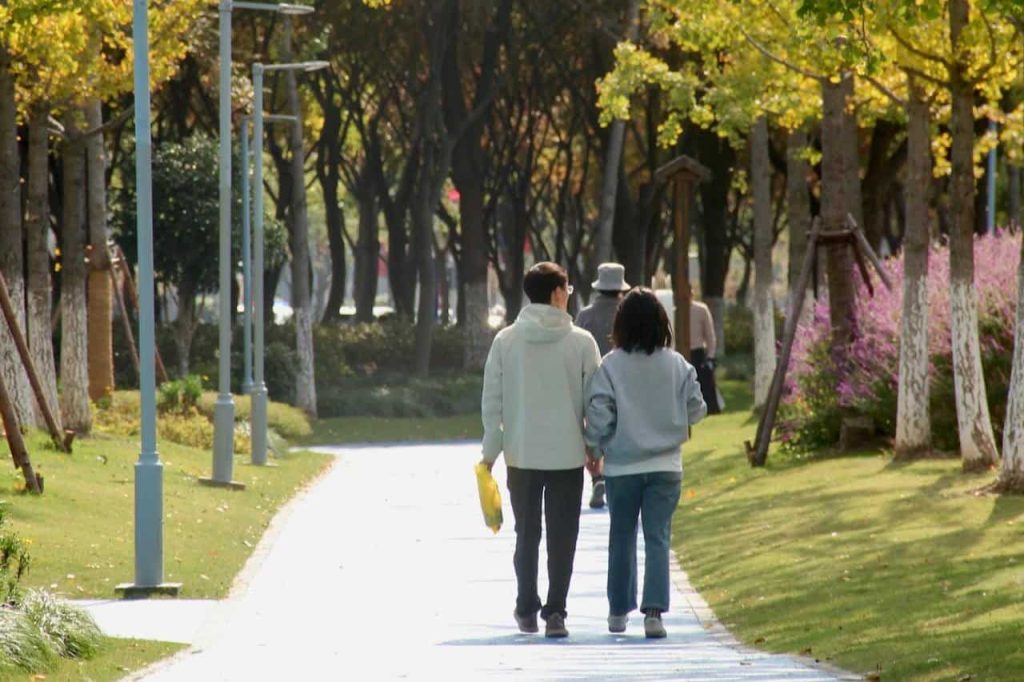
10. Walk After Every Meal
In Chinese culture, this is called sànbù — a gentle post-meal walk, especially after dinner.
Try doing it after dinner, and after lunch when you can.
Even just 5 to 10 minutes — up and down the street, or even around your home, is going to make a noticeable impact on your digestion.
11. Notice Your Emotional Patterns
The TCM take: Our emotions live in our organs.
| Emotion | Associated organ |
|---|---|
| Chronic worry | Spleen |
| Unprocessed grief | Lungs |
| Prolonged stress | Kidneys |
Emotional states and physical states aren’t separate, they’re part of the same system. Just having awareness of how you feel, and giving yourself the space to actually process and work through those emotions, matters for your physical health just as much as your emotional health.
There’s a funny contradiction here. In modern Chinese family culture it’s often kind of taboo to openly talk about your feelings. So TCM says honor your emotions, but then culturally that’s not always modeled. It’s an interesting one.
12. Treat Your Cycle as a Vital Sign
The TCM take: The menstrual cycle is a vital sign, full stop. Pain, irregularity, heavy bleeding, extreme mood shifts aren’t just things to manage or push through. They’re your body communicating something.
Most of the women were never really taught about our cycles growing up. Nobody talked about the follicular phase or progesterone or cycle syncing. A lot of women don’t learn about these things until they become a problem.
Once you start working with your cycle instead of against it, everything shifts. Your energy, your mood, your pain levels, your clarity.
The more you pay attention to what your body needs in each phase, what to eat, how to move, how much to rest, the more your cycle starts to feel like information rather than an inconvenience.
Final Thoughts
If this feels overwhelming, don’t worry.
You don’t need to do everything at once.
Chinese wellness is about balance, not perfection.
Start small.
Maybe it’s just drinking warm water in the morning. Try it for two weeks and see how your body responds.
Sometimes, the smallest changes lead to the biggest results.
If you’re interested in lifestyle changes that support long-term health, you might also want to know these simple Japan’s lifestyle habits for longer & healthier life.