

Japan is known for being one of the healthiest countries in the world, and it’s not because of one big secret. It’s the small, everyday habits that most Japanese people do without even thinking about them.
From the way we start our mornings to the way we say thank you before a meal, so much of daily life in Japan is quietly designed to make you feel better, live longer, and eat well. And the beautiful thing is, none of it is complicated.
Today, I want to share some of those habits with you so that you can make your life a little bit better wherever you are.
1. Start Your Day with Hot Water
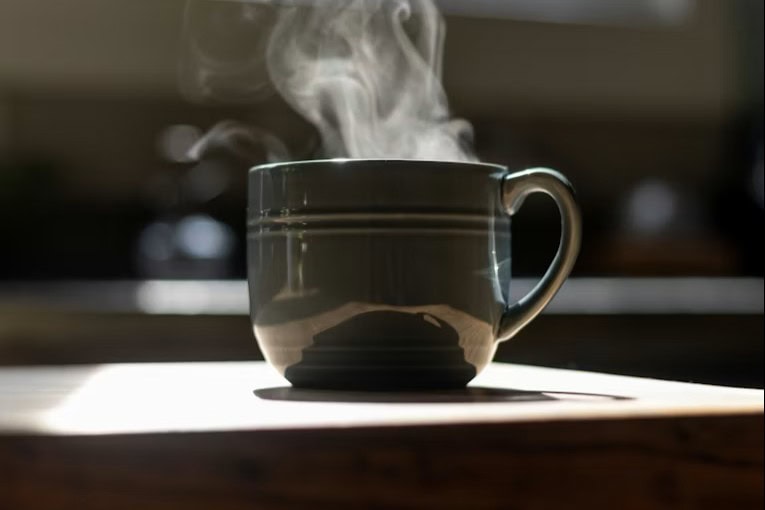
I love drinking coffee, but sometimes it’s just too much for my stomach to handle first thing in the morning. If you have a similar experience, starting your day with hot water (sayu in Japanese) can be a great alternative.
Drinking hot water can help you stay hydrated while keeping your body warm, especially during winter.
It can also activate the digestive system, and it can help you feel nice and relaxed.
You can drink it plain or add a squeeze of lemon for a refreshing twist.
2. Don’t Skip Breakfast
If you have stayed in a nice hotel in Japan, you know how seriously breakfast is taken there.
Studies even suggest that people who eat breakfast regularly tend to feel happier and more positive.
And it’s pretty interesting because the same study shows that people who skip breakfast tend to feel less happy and have higher screen time on their phones.
A traditional Japanese breakfast includes white rice, miso soup, grilled fish, natto, pickles, egg rolls, and so on.
A traditional Japanese breakfast often includes:
- Rice
- Miso soup
- Grilled fish
- Natto
- Pickles
- Eggs, and so on.
It’s very healthy, nutritious, and filling, and it’s known to boost energy and promote longevity.
3. Learn to Eat Balanced
I know that many tourists like to eat convenience store food every day when they visit Japan, but many Japanese actually don’t do that.
A lot of convenient food includes additives, and many times it’s lacking important nutrition like protein, fiber, and vitamins.
In Japan, from a young age, you learn about nutrition and how to eat a balanced meal at school.
In many schools, they have a chef come into the classroom to explain which dish serves which role in terms of nutrition. Students also have cooking classes starting from the fifth grade to learn how to prepare a balanced meal.
This early education builds lifelong healthy eating habits.
4. Embrace Fermented Foods
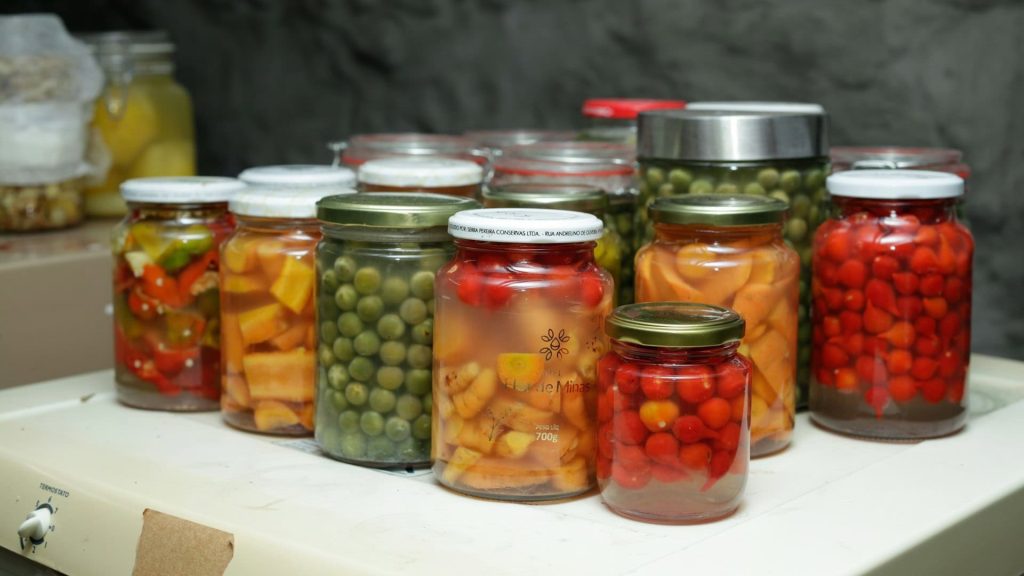
Japanese cuisine includes a wide variety of fermented foods like natto, and they’re incredibly beneficial for your health.
Some people think natto is stinky and gross, but I think many people are just preparing it wrong. The tip is to mix natto really, really well. According to my own study, mixing it 100 times will get you the right stickiness.
And it’s so good for you, it promotes heart health, and it’s good for your skin, digestion, bone strength, immune system, and the list goes on and on.
Natto is just one of the many fermented foods. Just for pickles alone, Japan have over 3,000 different kinds.
And when it comes to cooking, some of the most commonly used ingredients in Japanese cuisine include soy sauce, miso, mirin, and sake, are all fermented as well.
Many of these fermented foods play a powerful role in digestion, similar to these simple gut-healing habits you can add to your daily routine.
5. Drink Green Tea & Slow Down with Matcha
At this point I feel like matcha is more popular outside of Japan than inside, but matcha is just one type of green tea, and as you know, both have amazing health benefits.
Many Japanese people tend to drink green tea more often than matcha because it’s more convenient, cheaper, and quicker.
I actually took a tea ceremony workshop in Kyoto recently and learned how to properly make matcha, and ever since then, I’ve been really into it. Matcha offers something more than just health benefits, it creates a moment of peace.
When preparing matcha:
- Sit down
- Pause distractions
- Enjoy the aroma
- Listen to the whisk
- Take a moment of gratitude
It becomes less about the drink and more about the experience.
7. Use Smaller Plates & Eat Variety
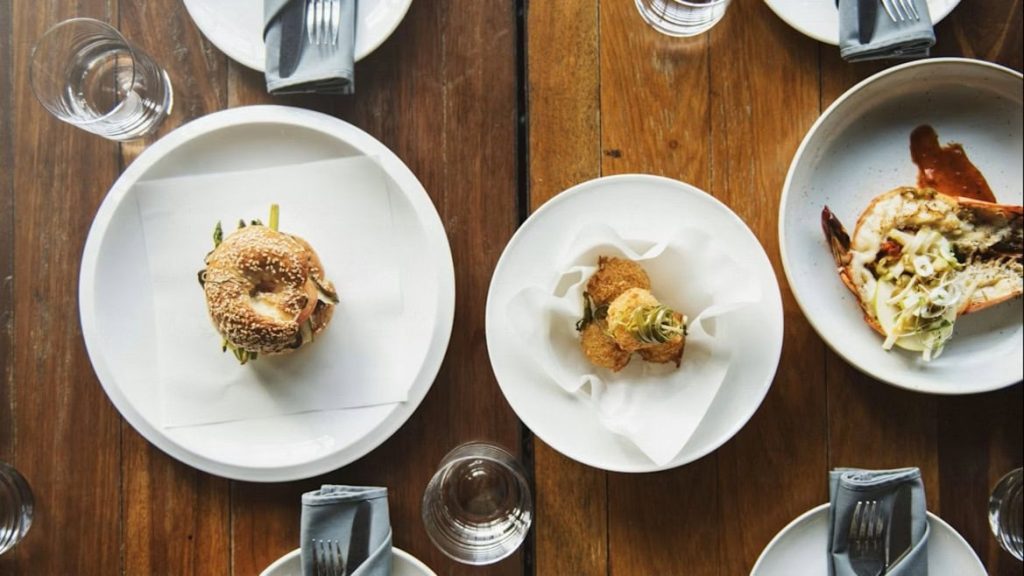
Traditionally, it’s very common to serve Japanese food in small plates and small bowls called “kobachi“, and a lot of Japanese just love eating a little bit of everything.
This helps your body intake different nutrients from different sources, and it’s also a great way to prevent overeating.
On top of that, there are so many different kinds of kobachi, they make preparing food more fun and bring color to the table.
The only downside is doing the dishes afterwards, haha.
6. The 80% Rule
Try to follow hara hachibu. It means you only eat until you’re 80% full, and this rule is considered to be the secret to a longer and healthier life.
It helps you maintain a healthy weight by preventing overeating.
When you overeat, it takes longer for your digestive system to process the food, and it can accelerate cellular oxidation, which can ultimately age you faster.
8. Practice Gratitude Before & After Meals
This one is probably well known, but I don’t think many people know the actual meaning behind it.
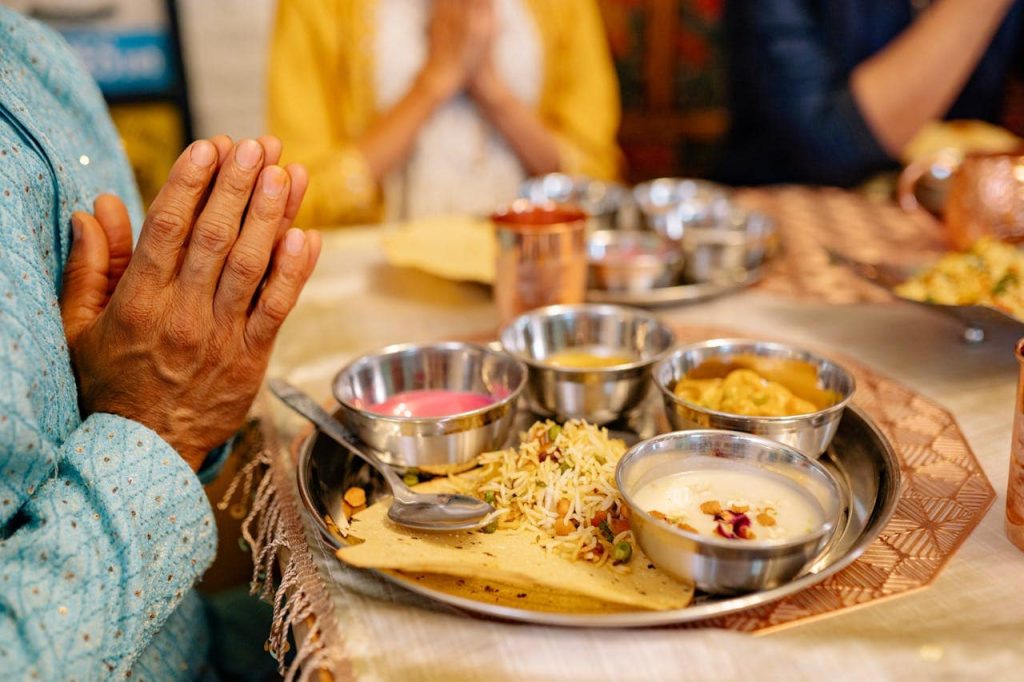
Japanese people say “itadakimasu” before eating.
And “gochisousama deshita” after eating.
They both mean “thank you for the meal,” but the meaning goes deeper than that.
It’s a way to show gratitude to the person who cooked and prepared the meal, to the farmer who grew the ingredients, and to the lives of the plants and animals who gave their life for us.
It’s a way to express appreciation for Mother Nature.
It’s a simple yet powerful mindfulness practice.
9. Add Vinegar to Your Meals
Did you know that when you’re eating authentic sushi, the sushi rice actually contains vinegar? That’s just one of many ways the Japanese use vinegar in cooking.
Ponzu sauce, which also contains vinegar, is perfect for hot pot, dumplings, sashimi, and it honestly goes with pretty much anything.
You can easily make it at home too. All you need is three ingredients: vinegar, soy sauce, and lemon.
- ½ tbsp lemon juice
- 1½ tbsp soy sauce
- 1 tbsp vinegar
If you have dashi powder, adding it gives you an extra umami boost.
10. Eat Slowly
You’d hear many Japanese parents say “yukkuri tabete” to their children, which means “eat slowly.”
There’s actually a study that shows people who eat fast tend to have a higher BMI, meaning a higher chance of being overweight.
Eating slowly:
- Helps you feel full sooner
- Improves digestion
- Reduces the risk of overeating
- Makes meals more enjoyable
Habits like “yukkuri tabete” are a great example of building consistent daily habits that don’t rely on motivation but on simple systems.
Final Thoughts
These are habits that many of the Japanese do without even thinking about them, and that’s kind of the point.
These habits aren’t extreme or complicated. They’re simple, intentional, and woven into their everyday life.
And that’s the beauty of them.
You don’t need to change everything overnight. Just start with one or two habits, and slowly build from there.
Because sometimes, the smallest daily rituals can make the biggest difference.
You might also want to explore Chinese wellness habits, especially if you’re a woman.