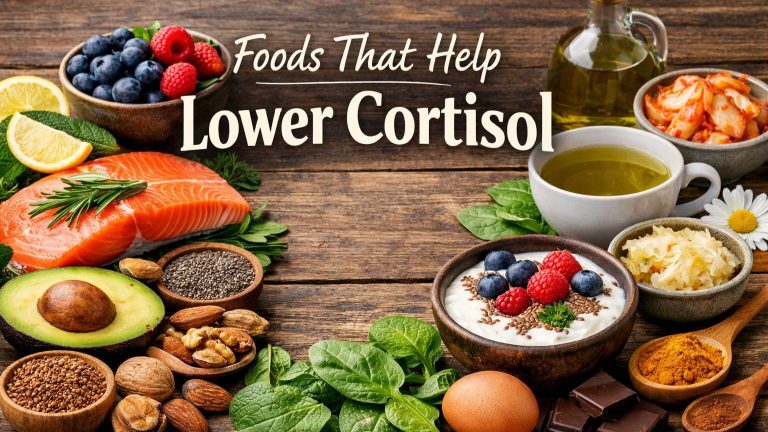

Inflammation is our immune system’s defense mechanism. It helps protect us against disease, infection, injury, and even stress. In the short term, it’s actually a good thing, but we don’t want inflammation sticking around long term, because it can lead to chronic pain and even disease.
That’s why today we’re diving into how we can avoid or reduce unnecessary inflammation by eating certain foods that have anti-inflammatory effects.
How Plant Foods Help Reduce Inflammation?
Plants have developed their own defense mechanisms to fight off certain bacteria, fungi, insects, and even viral infections. They contain natural compounds called phytonutrients that help protect against inflammation and chronic disease.
When we consume plant foods, we absorb these phytonutrients, and research shows they help protect us from chronic diseases, reduce inflammation, and are potent in protecting us from cancer and heart disease.
Eat the Rainbow for Anti-Inflammatory Benefits
Fruits and vegetables are rich in these phytonutrients, and to ensure we get a good mix, we should aim to eat a variety of different colors. Diversity is at least as important as quantity.
🔴 Red foods like tomatoes, red bell peppers, and watermelon are rich in lycopene, a potent antioxidant that reduces damage from free radicals and is thought to protect against prostate cancer, heart disease, and lung disease.
🟠 Orange and yellow foods like carrots, sweet potatoes, and squash provide carotenoids, which promote communication between our cells, may help prevent heart disease, and are known to support eyesight.
🟢 Green foods — especially leafy greens like kale, spinach, and broccoli — are rich in flavonols, which help reduce the risk of vascular disease and generally reduce the effects of inflammation.
🫐 Blue and purple foods like blueberries, blackberries, purple cabbage, grapes, and plums are rich in powerful compounds called anthocyanins, believed to delay cellular aging and block blood clot formation to help keep our hearts healthy.
And this is just the tip of the iceberg! There are thousands of compounds in fruits and veggies we haven’t even explored, but they all help in their unique way to fight inflammation and disease. So it really does help to get a variety whenever we can.
Cook with Garlic, Onion, and Ginger
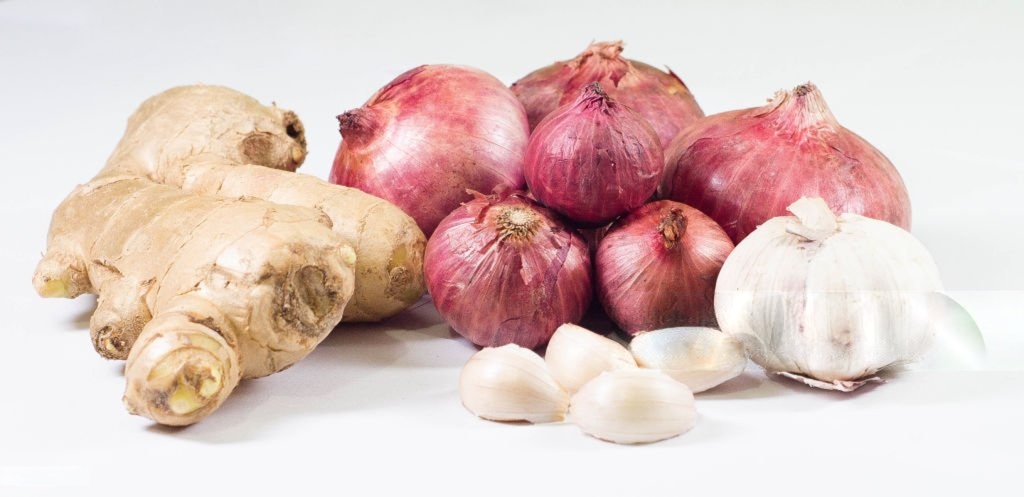
These ingredients aren’t particularly colorful, but they have very strong anti-inflammatory properties and are the basis of so many meals: garlic, onion, and ginger.
Garlic contains organosulfur compounds, and onions contain compounds called quercetin; both have anti-inflammatory benefits and have been shown to help prevent cancer and microbial and viral infections.
Ginger contains a phytochemical called gingerols, which helps reduce inflammation and prevent the progression of various chronic diseases.
They’re simple to add but make a big impact.
The Role of Antioxidants and Spices as Anti-Inflammatory Tools
Oxidation is a necessary and normal chemical reaction in our bodies, but sometimes an imbalance can lead to oxidative stress, which can cause inflammation, damage our cells, proteins, and DNA, and even contribute to premature aging and certain diseases.
Luckily, compounds called antioxidants help restore balance, and they’re rich not only in the fruits and vegetables we just talked about, but also in spices.
Spices and dried herbs offer the most antioxidant punch by weight. This is especially true for oregano, rosemary, and thyme.
You can combine them into a simple homemade Italian seasoning mix, make it once, and keep it in your pantry ready to scoop into your favorite pastas or pizza sauces for a whole bunch of antioxidants at once.
Turmeric powder is another antioxidant powerhouse, rich in a phytonutrient called curcumin. The catch is that curcumin isn’t very readily absorbed into our bodies unless it’s combined with black pepper, which can increase its absorption by 2000 percent.
That’s why we often combine turmeric with black pepper when making curries, and you’ll also find this combination in lovely drinks like golden milk or a golden latte mix, a wonderful way to wind down in the evening with your favorite warm plant-based milk.

The Role of Beans and Plant Proteins in Reducing Inflammation
Beans contain a powerful phytonutrient called anthocyanins, the same ones we saw in blueberries, blackberries, and purple cabbage. Certain beans like red beans, black beans, and pinto beans are especially high in these.
Beans are also very high in fiber, which has been shown to reduce insulin sensitivity and inflammation.
Soybeans — enjoyed as edamame, tempeh, or tofu — are rich in a phytonutrient called isoflavones.
You might have heard about soybeans being controversial because they contain phytoestrogens, but more recent studies conclude that soy is safe for consumption and also very protective against different kinds of cancers, and it’s generally recommended as a great protein source.
Another way to reduce inflammation is by consuming more plant-based proteins over animal proteins. Certain animal proteins like red meat and dairy have been linked with increased inflammation, whereas plant proteins have been linked with decreasing it.

How Fiber Supports Gut Health and Reduces Inflammation
Our guts are intricate ecosystems that trillions of microorganisms call home. Some promote inflammation, while others are thought to reduce it.
And fiber is one source that can fuel the growth of beneficial gut microorganisms to support our overall optimal health.
Some sources of fiber include the fruits, vegetables, and beans we’ve already discussed, but fiber is also very rich in whole grains.
Whole grains are incredibly nourishing and filling, so aim to add them wherever you can, with meals, as oats for breakfast, in energy bars, or tossed into salads. And yes, popcorn counts as a whole grain, so feel free to enjoy it as a snack!
Gut health is such a fascinating topic; I’ve talked about it in so many posts, like in relation to gas, bloating, and constipation.

Why Omega-3 Fats Are Essential for Fighting Inflammation
Omega-3 fats fulfill many different functions in the body and are the starting point for the creation of certain hormones that help fight inflammation.
They’re essential fats, meaning our bodies can’t make them on their own.
In short, Omega-3 fats help create hormones that regulate inflammation. Since our bodies can’t produce them, we must get them from food.
Plant-based sources include ground flax seeds, ground chia seeds, hemp seeds, and walnuts.
A super seed mix combining all of these in a jar is a great thing to have on hand, just sprinkle it onto salads, smoothie bowls, yogurts, or oatmeal to get an extra boost of energy every day.
You can also consider an omega-3 supplement sourced from algae, which is actually where fish get their omega-3s from.

Bringing It All Together
An anti-inflammatory way of eating isn’t complicated. It’s about:
- Eating a rainbow of fruits and vegetables
- Cooking with garlic, onion, and ginger
- Using antioxidant-rich herbs and spices
- Filling up on beans and whole grains
- Including omega-3–rich foods regularly
That’s pretty much an anti-inflammatory diet in a nutshell, and it’s a lot more enjoyable than it might sound!
Eating the right stuff is great, but you also need to cut out these common inflammation-causing foods, especially if you’re dealing with chronic inflammation.